The journey of Balinese coffee begins long before it reaches the cup. It starts in the highlands, where volcanic soil, tropical climate, and generational knowledge shape every stage of cultivation. To understand Balinese coffee process is not only to follow a sequence of steps—but to witness a relationship between land, people, and time.
For many visitors, coffee in Bali is encountered in a quiet café or during a scenic break in Ubud. But behind that moment lies a layered process, shaped by both tradition and adaptation. Each cup reflects decisions made at every stage—from planting and harvesting to processing and roasting.
This is the story of how Balinese coffee travels—from farm to cup.
The Landscape: Where Balinese Coffee Begins
Highlands and Volcanic Soil
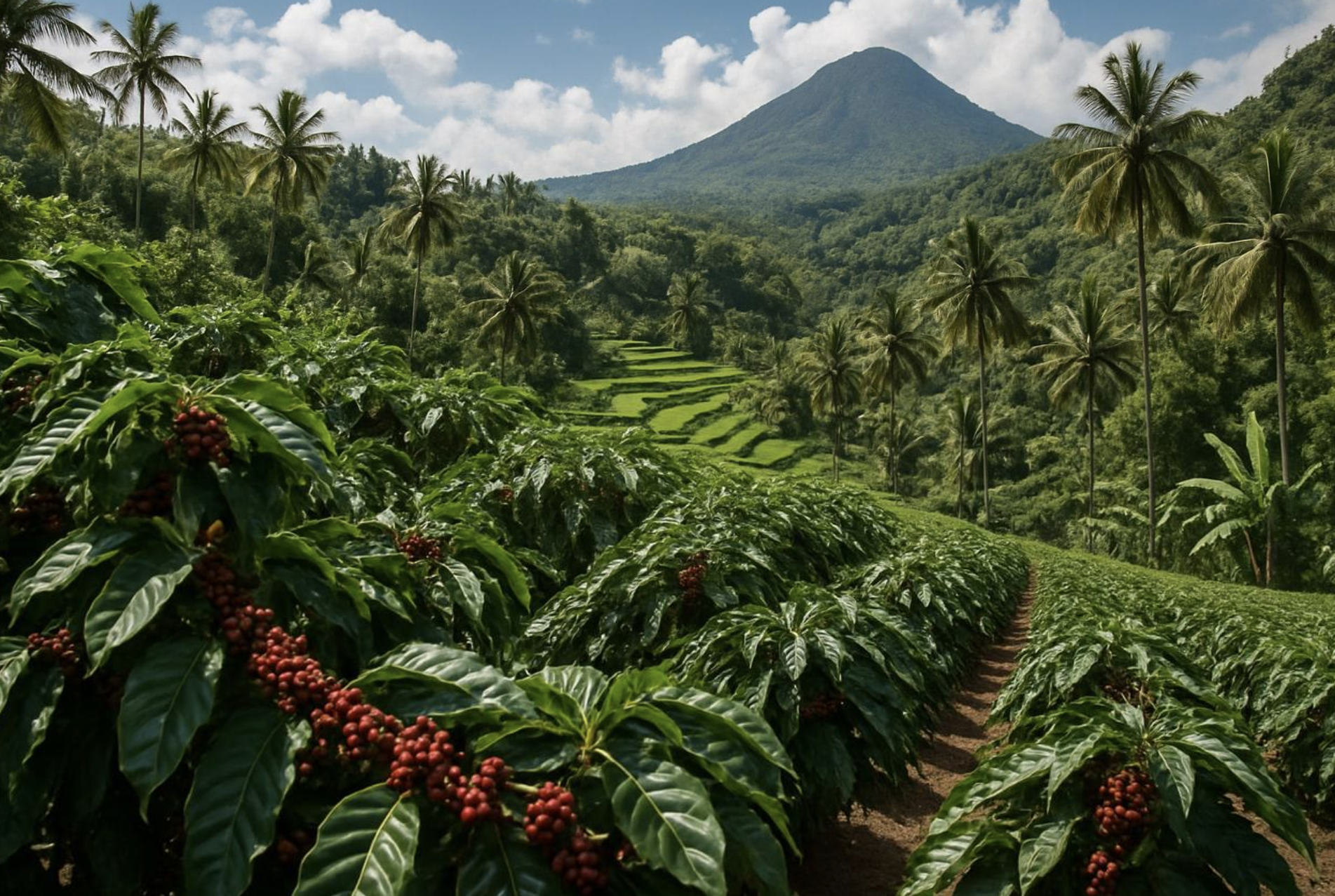
Coffee in Bali is primarily grown in highland regions such as Kintamani. Located between 1,000 to 1,600 meters above sea level, this area offers ideal conditions for coffee cultivation.
The soil here is enriched by volcanic activity, providing natural minerals that contribute to the coffee’s flavor profile. Combined with a cool climate and consistent rainfall, the environment allows coffee plants to develop slowly—enhancing complexity in taste.
The Subak System: Farming in Harmony
Unlike many coffee-producing regions, Bali integrates coffee cultivation within the Subak system, a traditional irrigation method recognized for its cultural and ecological balance.
Rather than focusing solely on productivity, Subak emphasizes harmony between farmers, water sources, and surrounding ecosystems. Coffee plants often grow alongside other crops such as citrus, vegetables, and spices—creating a diversified landscape.
This intercropping not only supports biodiversity but also influences the flavor characteristics of Balinese coffee.
Cultivation: Growing Coffee With Care
Arabica and Robusta in Bali
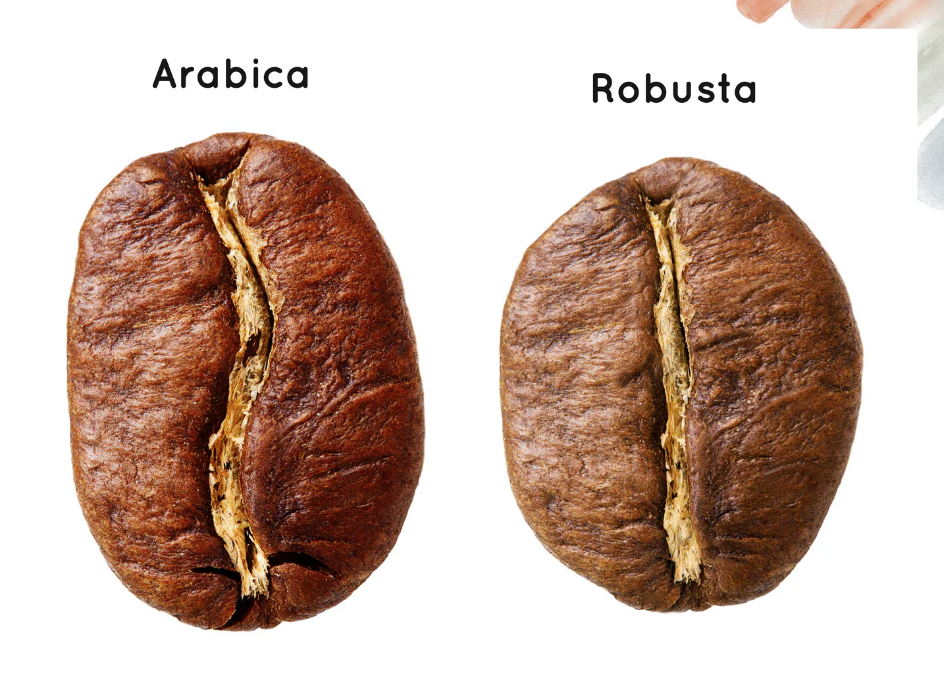
Bali produces both Arabica and Robusta coffee, though Arabica dominates in highland areas like Kintamani.
- Arabica: Known for its bright acidity, floral notes, and lighter body
- Robusta: Stronger, more bitter, with higher caffeine content
The choice of variety depends on altitude, climate, and intended flavor profile.
Check the different between Arabica vs Robusta
Seasonal Rhythms
Coffee cultivation follows natural cycles. Flowering typically occurs after the rainy season, followed by the development of cherries over several months.
Farmers monitor these cycles closely, relying on experience rather than rigid schedules. Timing is essential—harvesting too early or too late can affect quality.
Harvesting: The First Critical Step
Selective Picking
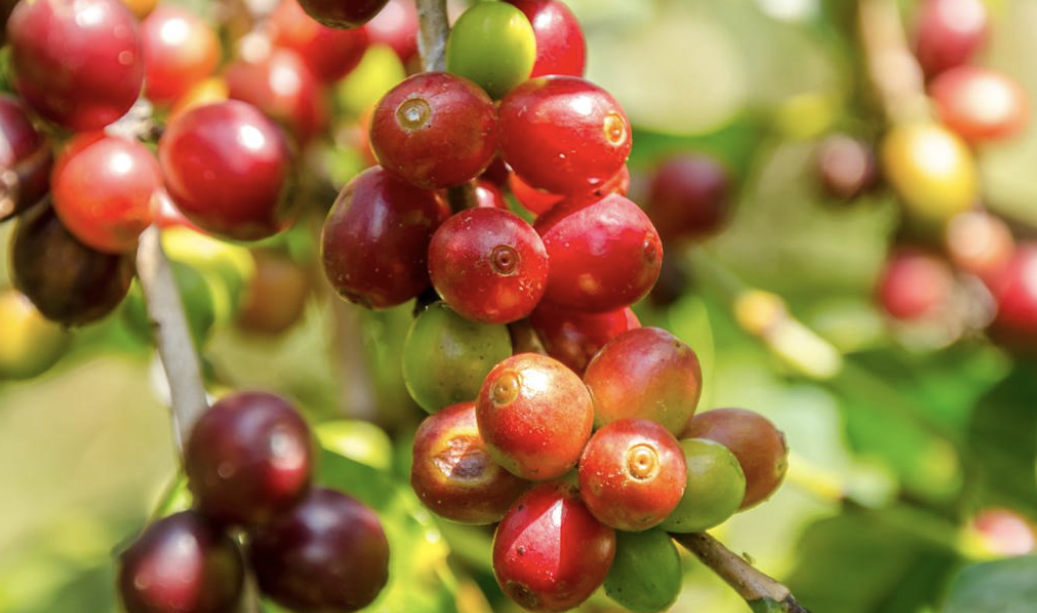
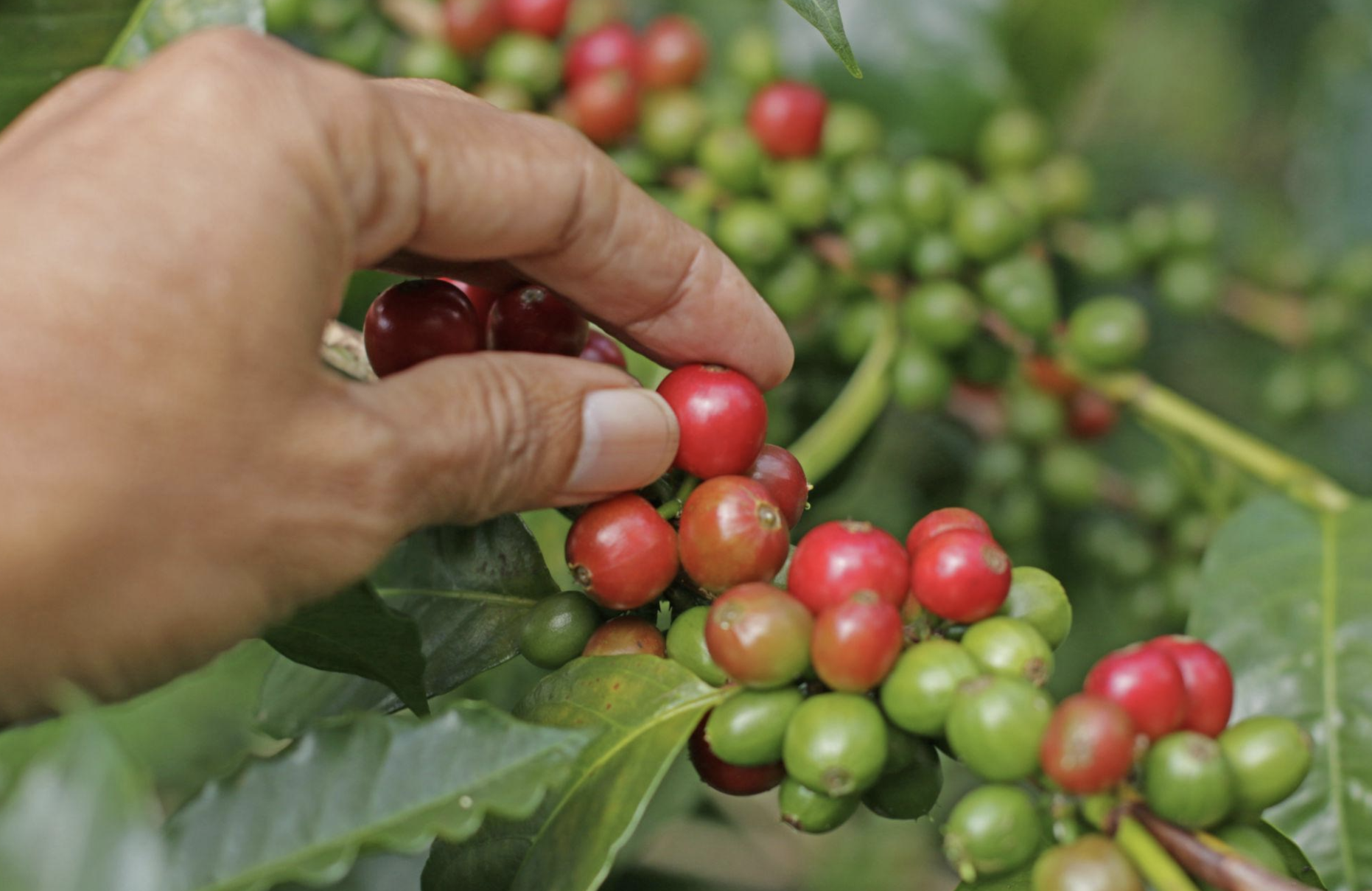
In many Balinese farms, coffee cherries are harvested by hand. Workers select only ripe cherries, identified by their deep red color.
This method requires patience and skill. Because cherries on the same branch may ripen at different times, harvesting often occurs in multiple rounds.
Selective picking ensures that only the best cherries move forward in the process, preserving quality from the start.
Community Involvement
Harvest season is often a communal effort. Families, neighbors, and local workers come together to collect cherries.
This collaborative approach reflects the broader cultural values of Bali—where work is shared and connected to community life.
Processing: Transforming Cherries Into Beans
Wet Processing (Washed Method)
One of the most common methods used in Bali is wet processing.
Steps include:
- Removing the outer skin of the cherry
- Fermenting the beans to break down remaining pulp
- Washing and drying the beans
This method produces a cleaner, brighter flavor profile—often associated with citrus notes.
Natural Processing
Some farmers use the natural (dry) method, where cherries are dried whole before the beans are extracted.
This process can create sweeter, fruitier flavors, though it requires careful control to prevent spoilage.
Honey Processing
A hybrid method, known as honey processing, leaves some of the fruit pulp on the bean during drying. This can enhance sweetness and body.
Though less common, it is gaining popularity among farmers experimenting with flavor profiles.
Drying and Sorting: Refining Quality
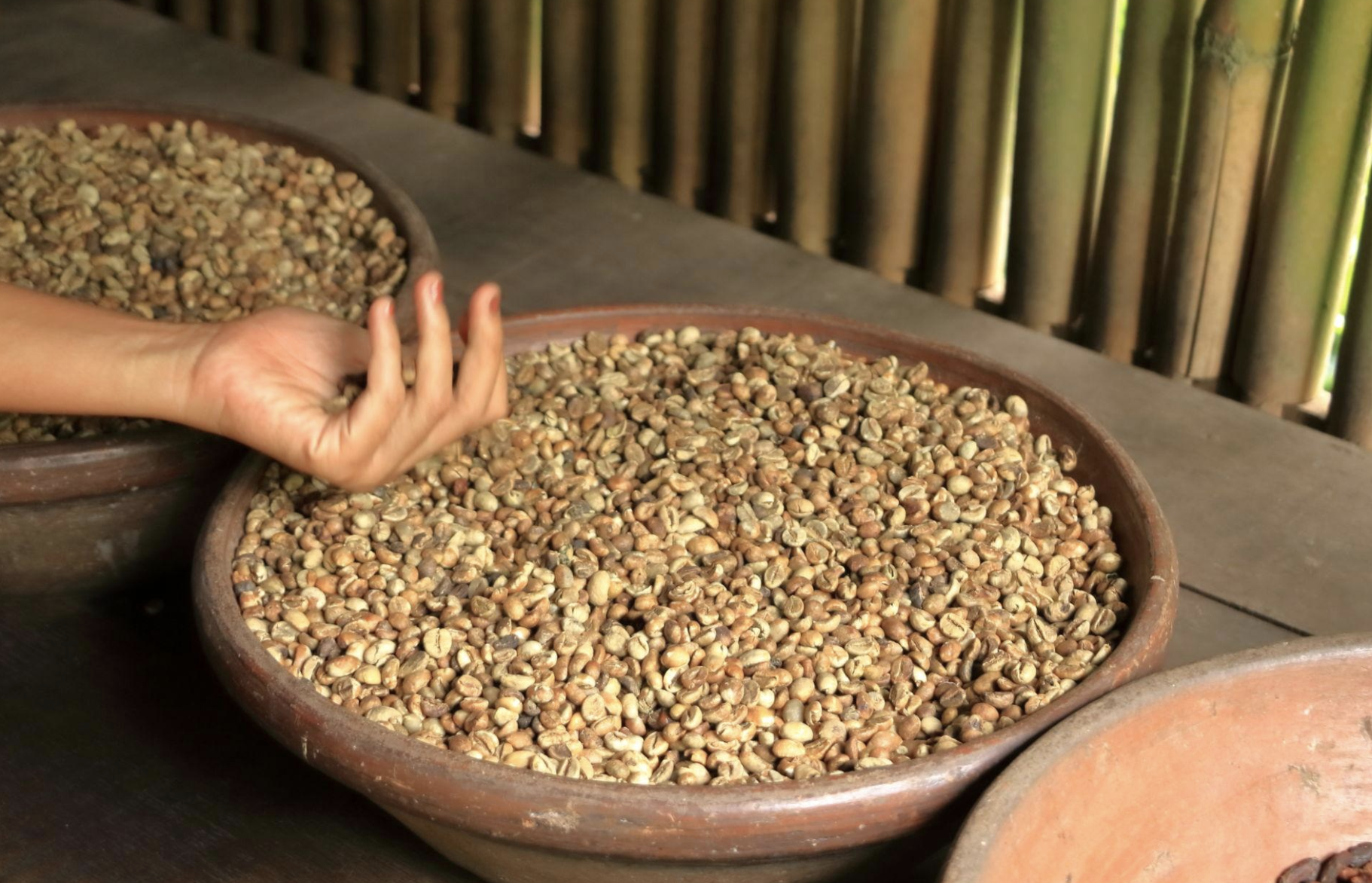
After processing, beans are dried under the sun—often on raised beds or patios.
Drying is a delicate stage. Too much moisture can lead to defects, while over-drying can affect flavor.
Once dried, beans are sorted:
- By size
- By weight
- By visual quality
This step ensures consistency before roasting.
Roasting: Bringing Out the Character
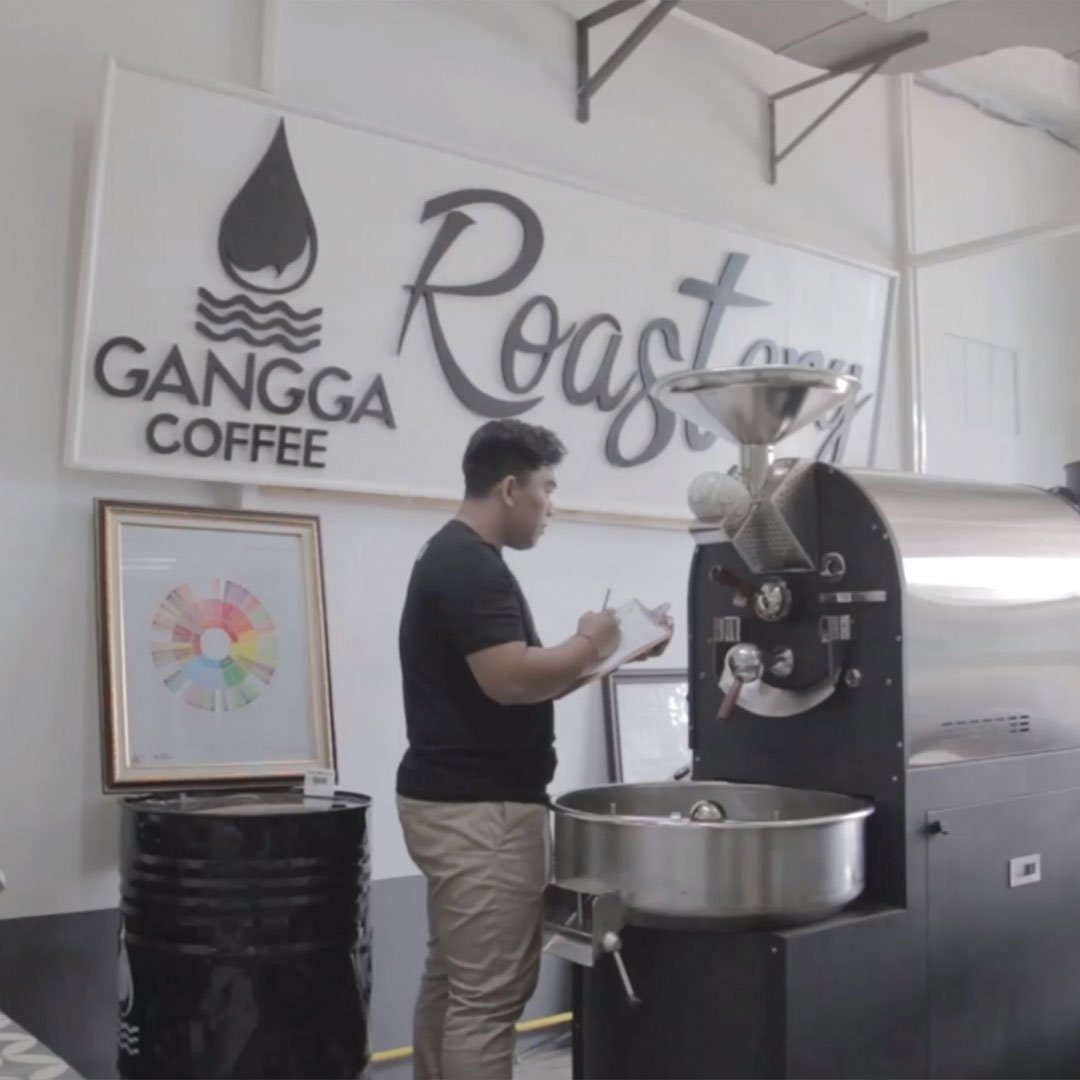
Roasting transforms green coffee beans into the aromatic form we recognize.
In Bali, roasting styles vary:
- Light roast highlights acidity and floral notes
- Medium roast balances sweetness and body
- Dark roast emphasizes bitterness and depth
Roasters make decisions based on the bean’s origin and desired flavor profile.
Brewing: The Final Expression
The final stage of the Balinese coffee process is brewing.
Traditional methods in Bali often involve simple techniques—such as steeping ground coffee directly in hot water (known as “kopi tubruk”).
In cafés, more precise methods are used:
- Pour-over
- Espresso
- French press
Each method reveals different aspects of the coffee’s character.

Practical Insight: How to Experience the Full Journey
Visit a Coffee Farm
Travelers can explore coffee farms in regions like Kintamani. These visits provide insight into cultivation and processing stages.
Taste With Awareness
When drinking Balinese coffee, consider:
- Where it was grown
- How it was processed
- How it was roasted
This awareness adds depth to the experience.
Choose Quality Over Convenience
Seek out cafés that prioritize sourcing and preparation. The difference is often noticeable—not only in taste, but in atmosphere.
Local Perspective: Coffee as Part of Daily Life
In Bali, coffee is not reserved for special occasions. It is part of daily rhythm.
Morning coffee is often simple—brewed at home, shared with family, or enjoyed quietly before the day begins.
In rural areas, coffee breaks punctuate work in the fields. In towns like Ubud, cafés provide spaces for conversation and reflection.
This integration into daily life gives Balinese coffee its meaning—not as a luxury, but as a constant presence.
Coffee, Place, and Connection
The journey from farm to cup is not only physical—it is relational.
Each stage involves people: farmers, processors, roasters, baristas. Each contributes to the final experience.
When you drink Balinese coffee, you are connected to these layers—even if only briefly.

From the Highlands to a Cup in Ubud
The journey of Balinese coffee does not end at roasting or brewing. It continues quietly in the moments that follow—when the cup is held, when the first sip settles, when the pace of the day softens, even briefly.
After understanding how coffee moves from farm to cup, the experience itself begins to feel different. What once seemed simple becomes layered. Taste carries context. Aroma carries memory. And the act of drinking coffee becomes something more attentive.
In Ubud, where the rhythm of daily life still allows space for pause, these moments feel natural. Between ceremonies, between conversations, between movement and stillness—there is always time to sit.
If you find yourself nearby, you might continue this journey at Gangga Coffee. Not as a destination to visit, but as a place to slow down and reconnect with what you’ve just experienced.
A cup here is not separate from the story—it is part of it.
You can find your way here: location