Tegenungan Waterfall is one of the most accessible natural attractions in Bali, offering a rare balance between convenience and raw natural beauty. Located just outside Ubud, this waterfall draws travelers who want to experience the island’s lush landscapes without committing to a long trek.
For many visitors, Tegenungan becomes a first encounter with Bali’s waterfalls—an introduction to the island’s relationship with water, movement, and stillness.
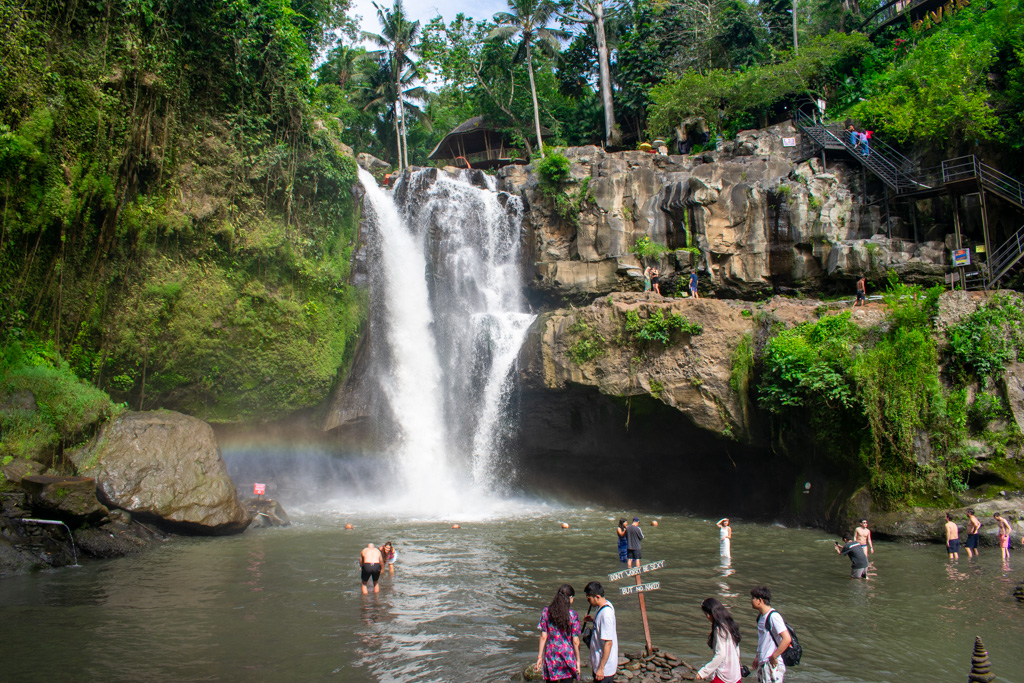
Tegenungan Waterfall sits in Kemenuh Village, part of Gianyar Regency. Unlike waterfalls in northern Bali that require hours of travel and trekking, Tegenungan is reachable within 20 minutes from Ubud and about an hour from Denpasar.
This accessibility shapes the experience. It is not remote or hidden, but it still holds a certain atmosphere—especially in quieter hours.
- A broad, powerful waterfall rather than a tall narrow drop
- Easy infrastructure: steps, railings, viewpoints
- A blend of tourism and local daily life
Core Explanation
At its core, Tegenungan is not just about visual beauty—it is about movement.
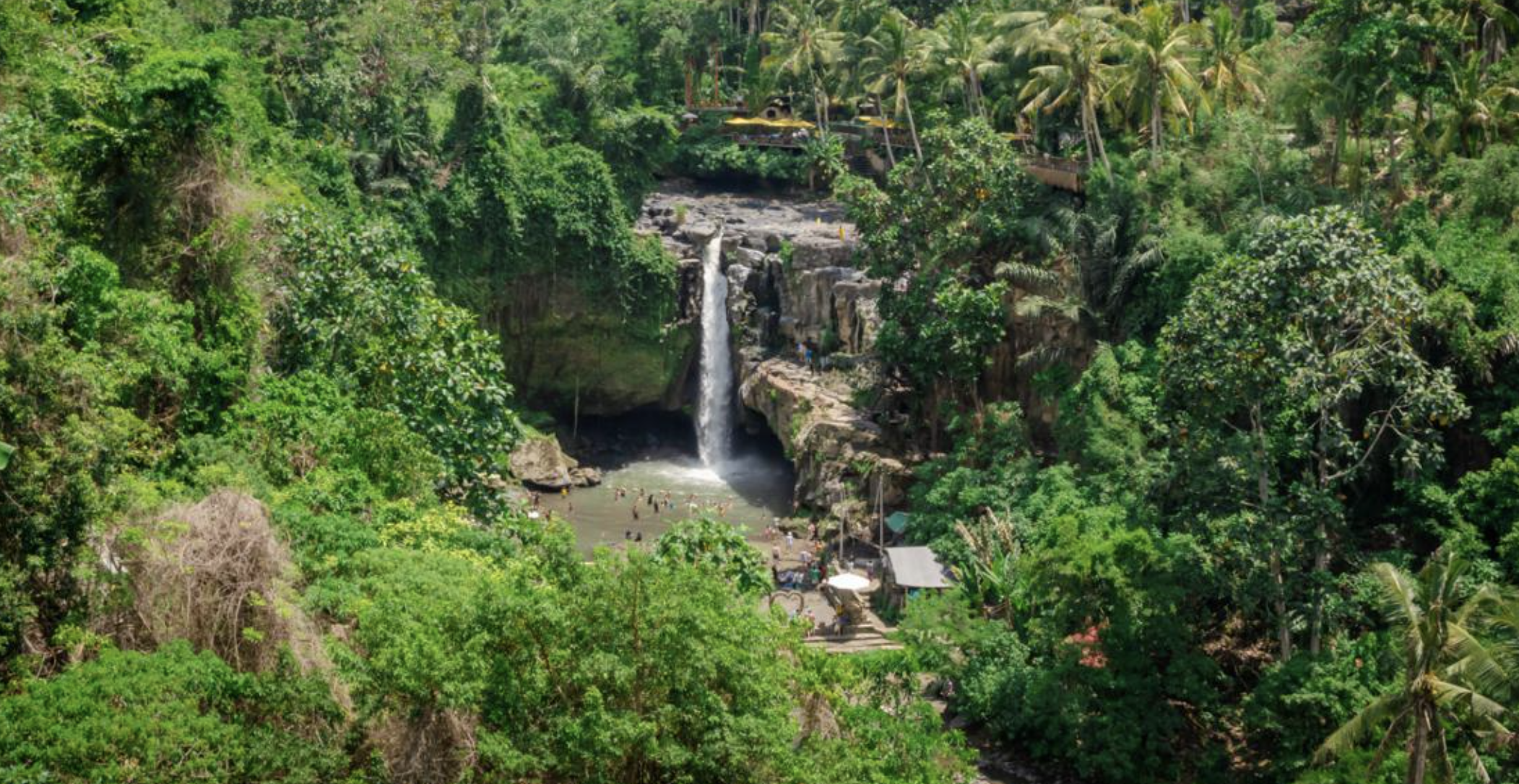
The waterfall flows from the Petanu River, creating a continuous curtain of water that crashes into a shallow basin below. During the rainy season, the flow intensifies, turning the water a rich earthy color. In drier months, it becomes clearer and calmer.
The Descent
From the entrance, a staircase leads down into the valley. The journey itself is part of the experience.
- The air becomes more humid
- The sound of rushing water grows louder
- The view slowly opens through gaps in the foliage
The Base
At the bottom, the waterfall reveals its full presence. The scale feels different up close:
- Mist rises and cools the skin
- The ground is uneven, shaped by constant water flow
- The sound becomes immersive rather than distant
The Stillness Within Movement
Despite the force of the water, there is a paradoxical calm. Watching the continuous flow invites a quiet observation—something that resonates deeply with Bali’s slower rhythms of life.
Practical Insight / Guide
Best Time to Visit
- Early Morning (7:00–9:00 AM) – quiet and reflective
- Late Afternoon (4:30–6:00 PM) – warm light, moderate crowds
- Midday (10:00 AM–3:00 PM) – busiest period
Entrance and Access
- Entrance fee: IDR 20,000–30,000
- Parking available
- 120–150 steps to reach the base
What to Bring
- Comfortable shoes
- Light clothing
- Water bottle
- Waterproof bag
Swimming Conditions
- Safer during dry season
- Strong currents after rain
- Follow local guidance
Local Perspective
Water in Bali is more than a natural resource—it is a spiritual element.
In Balinese Hindu philosophy, water is used for purification, ceremonies, and daily offerings. Even at Tegenungan, the presence of flowing water carries symbolic meaning—cleansing, renewal, and continuity.
- Small offerings along pathways
- Nearby temples and shrines
- Local families visiting the area
What to See Nearby
Nature and Landscape
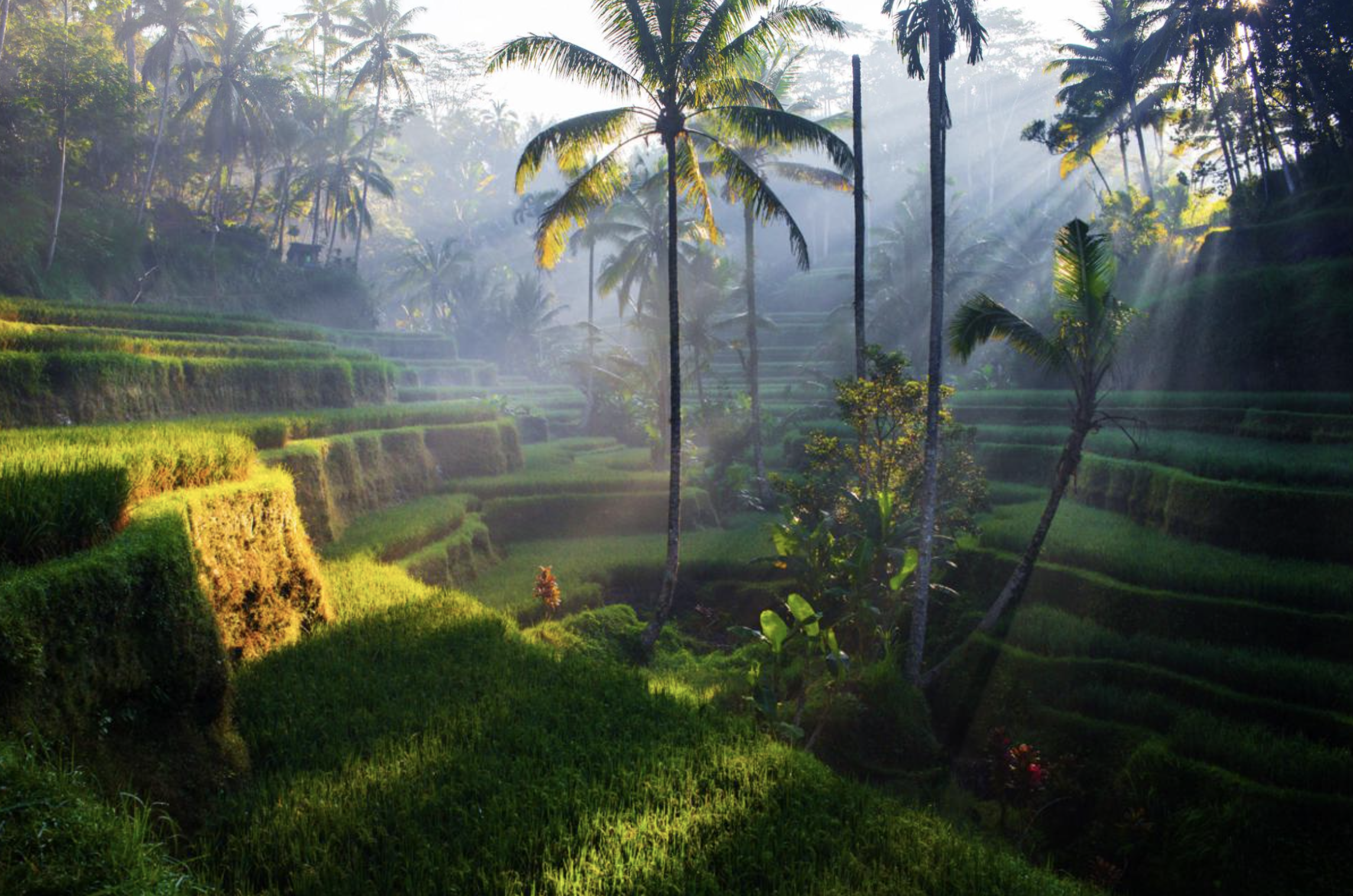
- Tegallalang Rice Terraces
- Hidden waterfalls in Gianyar
Culture and Craft
- Local art villages
- Traditional markets
A Moment to Slow Down After the Waterfall
Experiences like Tegenungan often leave a subtle impression rather than a dramatic one. It’s not only about the waterfall itself, but about how it gently shifts your pace.
After descending, observing, and returning, there is often a natural need for something grounding—a moment to sit, reflect, and allow the sensory experience to settle.
In Ubud, these quiet transitions are part of the rhythm of travel. Moving from the sound of rushing water to a slower, more intimate space creates a balance that feels distinctly Balinese.
One way to continue this experience is by pausing at a place like
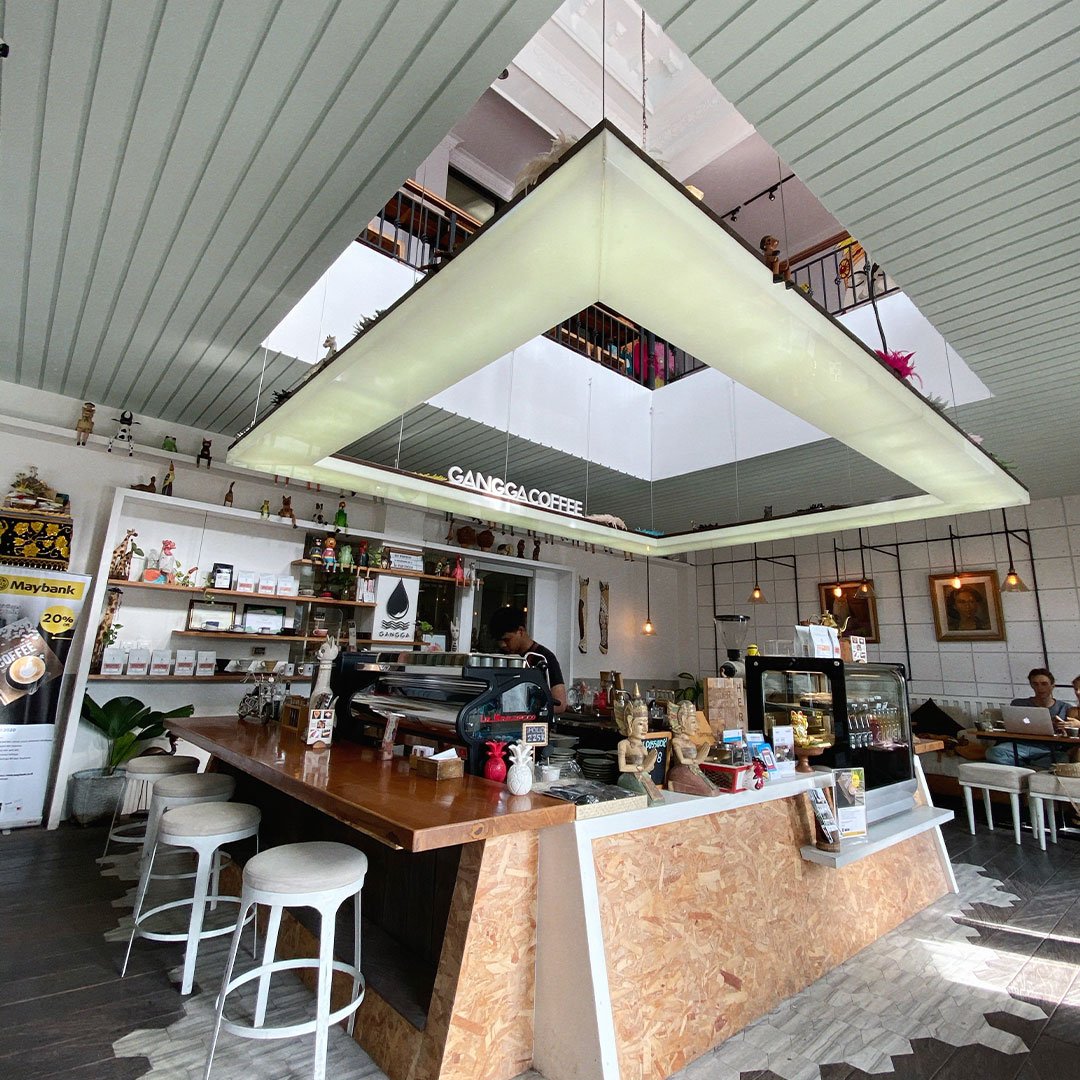
Gangga Coffee, where the atmosphere invites you to stay a little longer. Not as a destination in itself, but as a gentle continuation—where conversation, coffee, and stillness naturally follow the energy of the landscape.
Gangga Coffee Ubud
Tegenungan Waterfall is often described in practical terms—easy to reach, quick to visit, popular among travelers. But beyond those descriptions lies something more subtle.
It is a place where movement and stillness exist together. Where accessibility does not entirely remove the sense of discovery. Where even a brief visit can create a pause in an otherwise fast-moving itinerary.
If your path leads you through this part of Bali, consider allowing that pause to extend a little longer. Not by adding more destinations, but by deepening the experience of the ones you already visit.
And somewhere along that path, perhaps after the sound of water has faded, you may find yourself drawn toward a quieter space. A place like Gangga Coffee, where the experience continues gently—through conversation, atmosphere, and the simple act of slowing down.