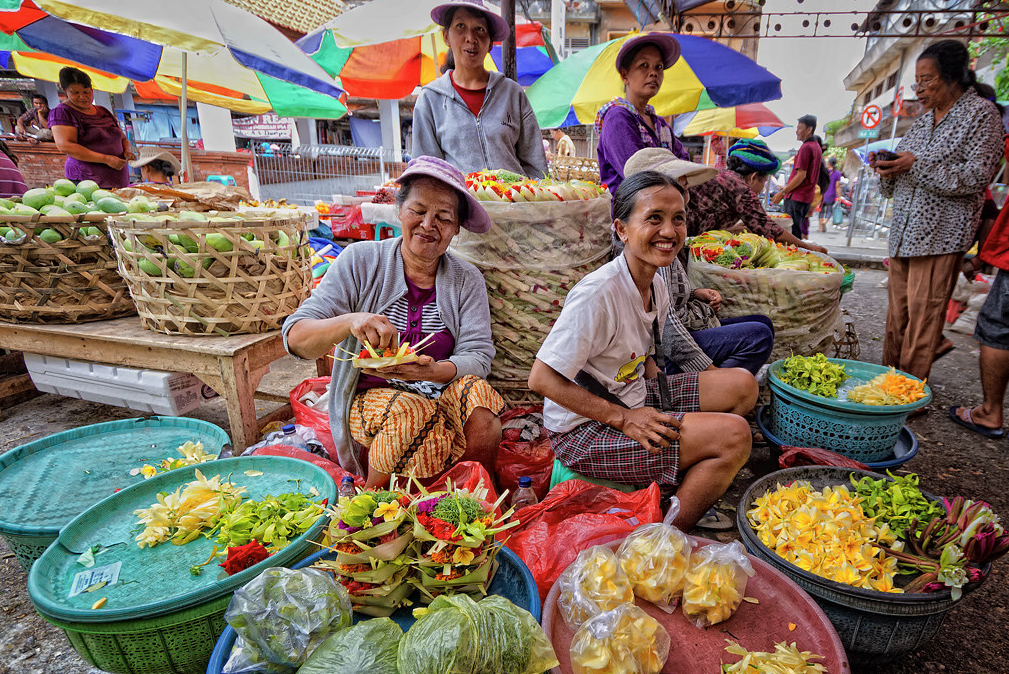
If you are planning to explore local souvenirs in Ubud, visiting Ubud Art Market can be one of the most rewarding experiences. Located in the cultural heart of Bali, this traditional market offers more than just shopping—it presents a glimpse into the daily creativity of Balinese artisans. From handcrafted goods to cultural interactions, the market invites visitors to slow down and engage with the essence of Ubud.
A Cultural Marketplace in the Heart of Ubud
Ubud Art Market sits at the center of Ubud, surrounded by temples, palaces, and narrow streets filled with artistic energy. Unlike modern shopping centers, this market reflects a living tradition where commerce and culture meet naturally.
Here, most of the items are made by local families and small-scale artisans from Ubud and nearby villages. The products carry not only aesthetic value but also stories—of craftsmanship passed down through generations.
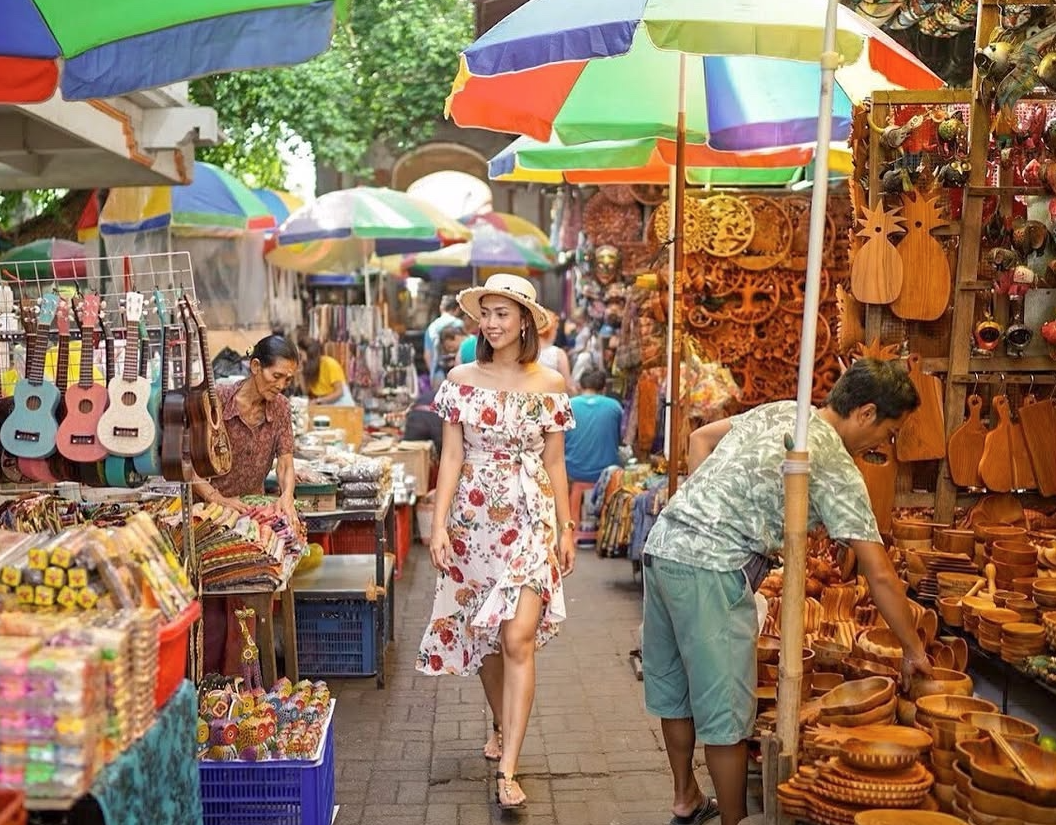
Walking through the market, you will find colorful displays of:
- Handwoven bags and baskets
- Batik fabrics and clothing
- Wooden carvings and masks
- Handmade jewelry and accessories
The atmosphere is lively yet intimate, offering a more personal experience compared to typical retail spaces.
Visiting Ubud Art Market: Opening Hours, Entrance Fee & Best Things to Buy
If you are planning to explore local souvenirs in Ubud, visiting Ubud Art Market is one of the most rewarding experiences in central Bali. Located beside the historic Ubud Palace, this traditional market offers far more than a shopping destination—it provides an opportunity to discover Balinese craftsmanship, interact with local artisans, and experience the creative spirit that has shaped Ubud for generations.
Whether you’re looking for handcrafted souvenirs, traditional textiles, or unique gifts to bring home, you can also explore our guide to Best Coffee Shops in Ubud after visiting the market. Since many of Ubud’s most iconic attractions are located nearby, the market is often included in both half-day and full-day itineraries.
Before your visit, it is helpful to know the market’s opening hours, entrance fee, best time to visit, and practical tips to make the most of your experience.
What You Can Do at Ubud Art Market
Visiting Ubud Art Market is not only about buying souvenirs—it is about experiencing the rhythm of daily life in one of Bali’s most creative communities.
1. Explore Handmade Crafts
Every corner of the market showcases unique items created by local artisans. Unlike factory-produced souvenirs, many pieces represent Balinese traditions, spiritual symbolism, and generations of craftsmanship.
2. Experience Friendly Bargaining
Bargaining is part of the shopping culture at Ubud Art Market. Most vendors expect friendly negotiation, allowing both visitors and sellers to enjoy the interaction. A respectful approach and a genuine smile often create a more enjoyable experience than focusing solely on the final price.
3. Meet Local Artisans and Sellers
Behind every stall is a family business or independent artisan. Small conversations often reveal stories about how products are made, where materials come from, and the traditions behind each craft.
4. Capture the Market Atmosphere
Even if shopping is not your main goal, the market offers endless opportunities for photography and cultural observation. The vibrant colors, handcrafted displays, and bustling walkways make it one of the most visually engaging places in Ubud.
Ubud Art Market at a Glance
| Information | Details |
|---|---|
| Location | Central Ubud, Bali |
| Opening Hours | Daily, 8:00 AM – 4:00 PM |
| Entrance Fee | Free |
| Best Time to Visit | Before 10:00 AM or after 3:00 PM |
| Time Needed | 1–2 hours |
| Parking | Available for motorbikes and cars |
| Nearby Attractions | Ubud Palace, Saraswati Temple, Monkey Forest, Campuhan Ridge Walk |
A Cultural Marketplace in the Heart of Ubud
Ubud Art Market sits in the cultural center of Ubud, surrounded by historic landmarks, temples, galleries, and narrow streets filled with artistic energy. Unlike modern shopping malls, the market remains deeply connected to local traditions, where commerce and culture naturally coexist.
Many of the products sold here are handcrafted by families and small-scale artisans from Ubud and neighboring villages. Rather than mass-produced souvenirs, visitors will find items that reflect Balinese heritage, craftsmanship, and generations of artistic knowledge.
Walking through the market, colorful displays reveal handmade creations crafted from natural materials and traditional techniques, making every visit feel slightly different from the last.
Practical Insight
Opening Hours and Entrance Fees
- Opening Hours: 08:00 AM – 04:00 PM
Some vendors may open earlier or close later depending on the day. - Entrance Fee: Free
Visitors can explore the market without any admission cost.
Best Time to Visit
- Morning (before 10 AM): Less crowded, more relaxed atmosphere
- Late Afternoon: Softer sunlight, more comfortable for walking
Getting There
Reaching Ubud Art Market is relatively easy:
- Walking (if staying in central Ubud)
- Renting a motorbike or car
- Taking a taxi for convenience
Parking Information
- Motorbike parking (basement): around IDR 2,000
- Car parking at central parking area: around IDR 10,000
Practical Tips
- Bring cash (small denominations are helpful)
- Stay polite and smile—it makes the experience more enjoyable
Best Things to Buy at Ubud Art Market
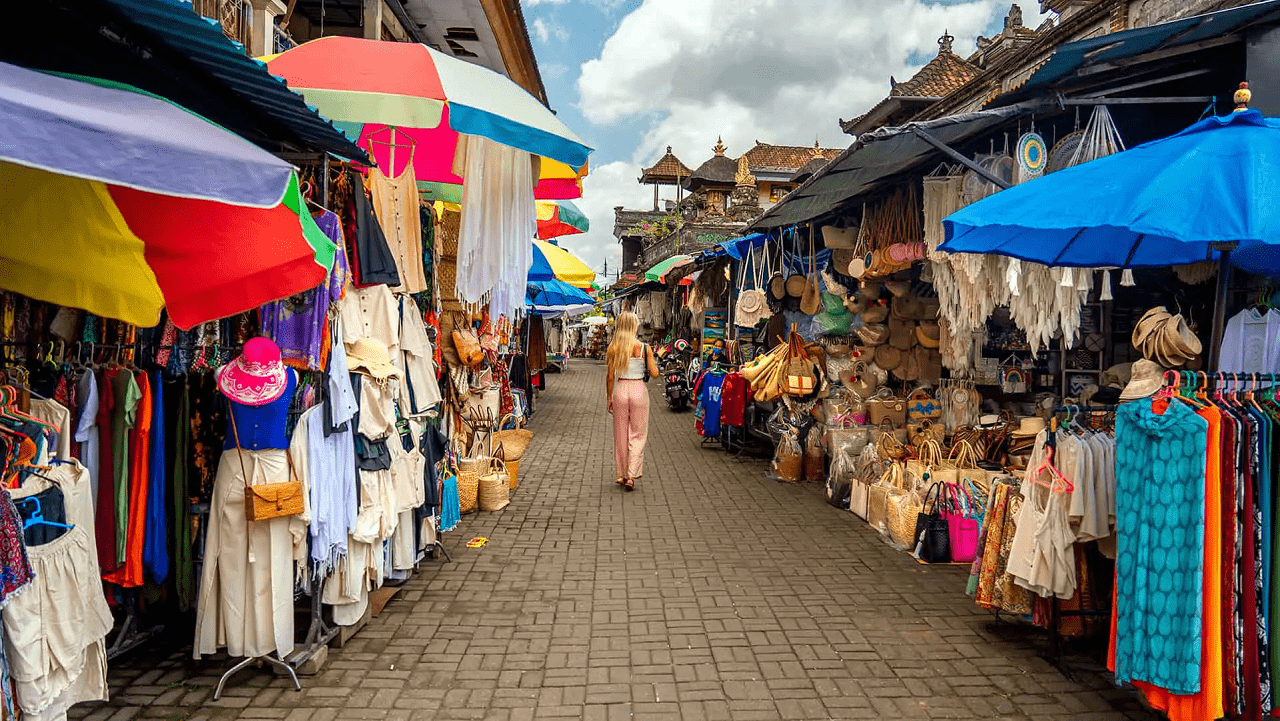
One of the reasons travelers visit Ubud Art Market is the wide selection of handmade Balinese souvenirs. While every stall offers something different, several items have become favorites among international visitors.
Handwoven Bags and Rattan Baskets
Balinese woven bags are among the market’s most recognizable products. Made from natural materials such as rattan and ata grass, they combine traditional craftsmanship with contemporary design, making them both practical and decorative.
Batik Clothing and Textiles
From lightweight shirts and dresses to scarves and table runners, batik fabrics showcase Indonesia’s rich textile tradition. Each pattern carries distinctive artistic influences, making them meaningful keepsakes as well as wearable souvenirs.
Wooden Carvings and Decorative Masks
Local woodcarvers produce sculptures, wall decorations, and ceremonial masks inspired by Balinese mythology and daily life. Many pieces are handcrafted, giving each item its own unique character.
Handmade Jewelry
Silver jewelry, beaded bracelets, earrings, and necklaces are widely available throughout the market. Many artisans create small collections by hand, offering designs that cannot easily be found elsewhere.
Home Décor and Gifts
Visitors can also browse dreamcatchers, woven lamps, paintings, ceramics, bamboo crafts, incense holders, and other decorative items that reflect the island’s artistic identity.
Because most products are handmade, no two stalls are exactly alike. Taking time to explore different sections of the market often leads to discovering unique pieces that are difficult to find elsewhere.
Looking for more authentic Balinese experiences? Explore our complete Ubud Travel Guide for additional places to visit around the cultural heart of Bali.
Best Time to Visit Ubud Art Market
While Ubud Art Market welcomes visitors throughout the day, the overall experience can vary depending on when you arrive. Choosing the right time allows you to enjoy a more relaxed atmosphere, browse the stalls comfortably, and interact with local vendors without feeling rushed.
8:00 AM – Start Your Morning with Breakfast
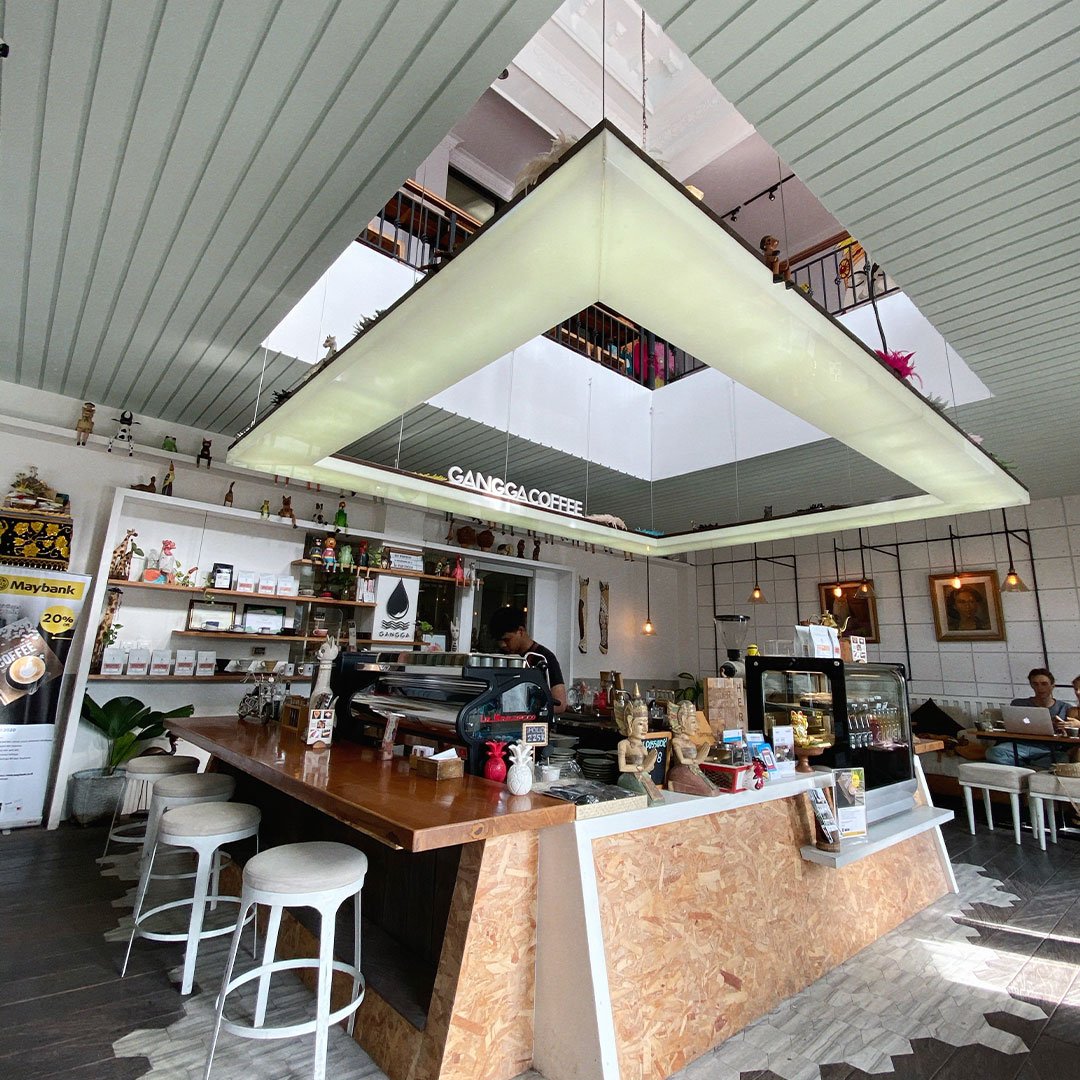
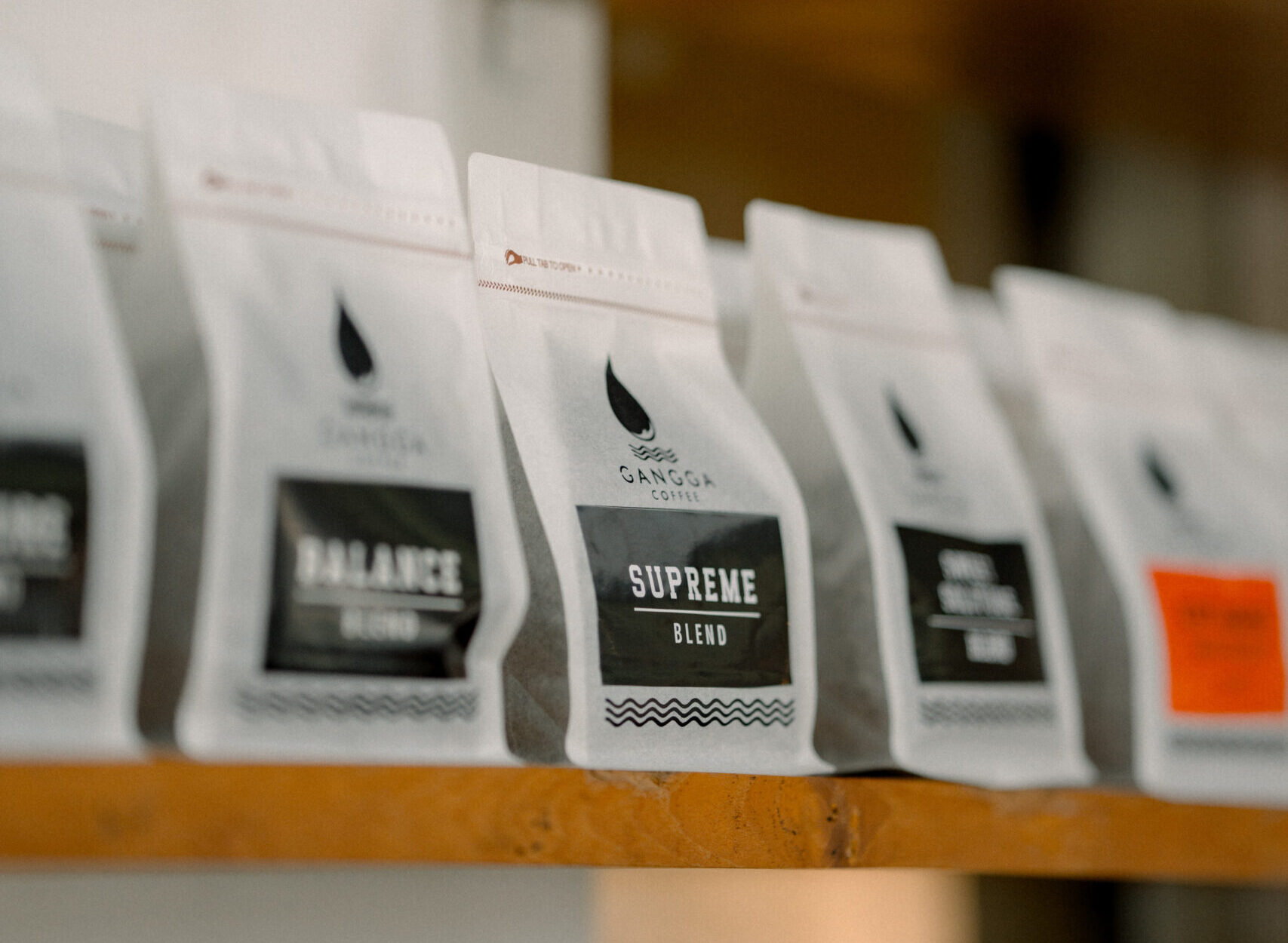
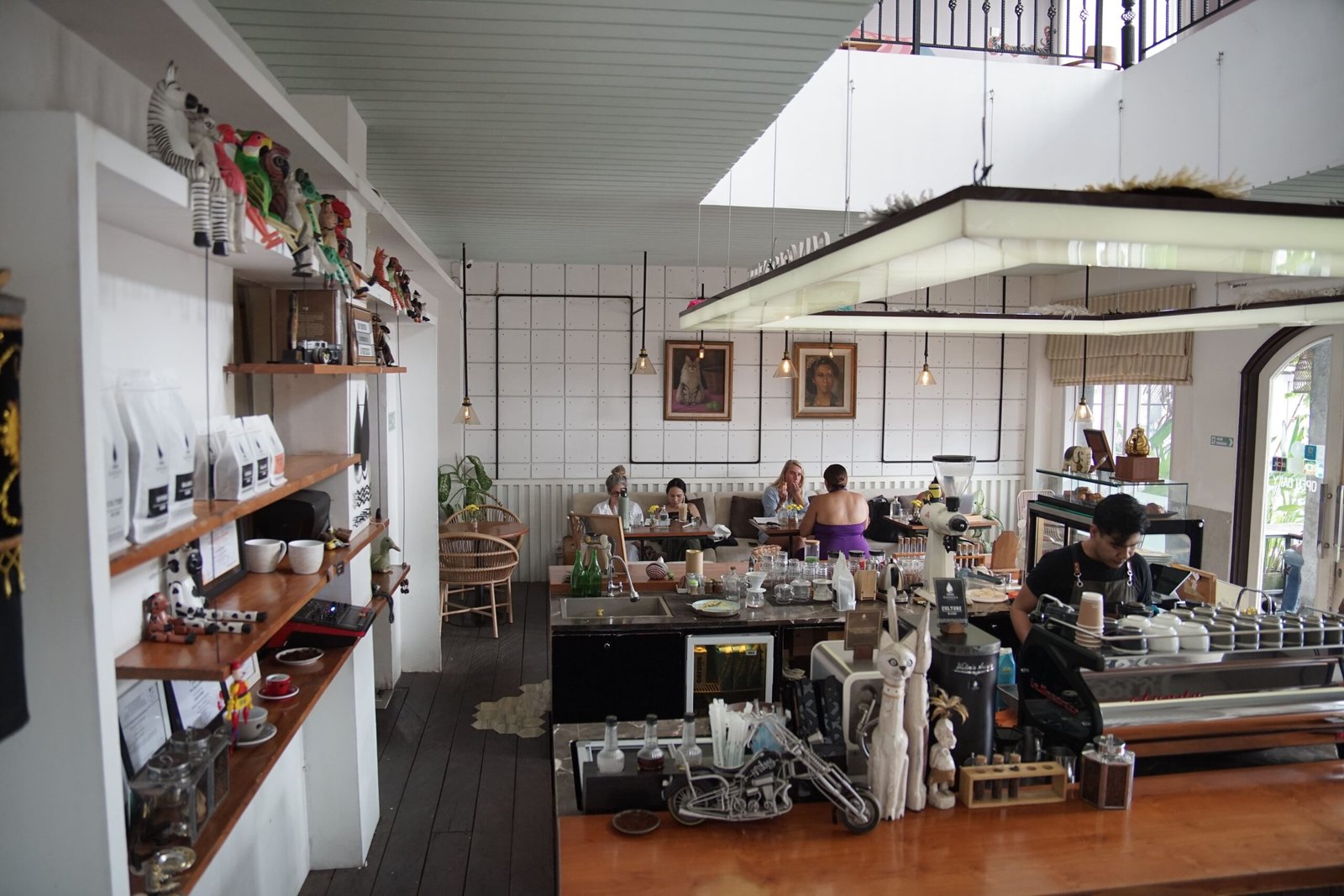
For an ideal morning in Ubud, consider starting your day with breakfast at Gangga Coffee around 8:00 AM before heading to the market. Located just a short drive from central Ubud, it’s a great place to enjoy specialty coffee and a wholesome breakfast while avoiding the morning crowds.
After breakfast, you’ll arrive at Ubud Art Market around 9:00 AM, when the market is at its most relaxed and enjoyable.
Before 10:00 AM – Explore Ubud Art Market
Morning is widely considered the best time to visit Ubud Art Market. The weather is cooler, the walkways are less crowded, and many vendors have just arranged their displays with a full selection of products available.
If you enjoy photography, the softer morning light also creates ideal conditions for capturing the colorful market, nearby architecture, and the vibrant displays of handcrafted souvenirs.
Midday (10:00 AM – 2:00 PM)
By late morning and early afternoon, the market becomes noticeably busier as tour groups and independent travelers arrive. Although the atmosphere is more vibrant, the tropical heat can make walking less comfortable.
If you plan to visit during this time, bringing water and taking occasional breaks is recommended.
Late Afternoon (After 3:00 PM)
The late afternoon offers another pleasant time to explore. Temperatures become milder, and the golden sunlight adds warmth to the surrounding streets and traditional buildings. Some vendors may begin packing up toward closing time, but many stalls remain open until the afternoon ends.
If you’re planning a full morning itinerary, you may also enjoy reading our One Day Ubud Itinerary.
How to Get to Ubud Art Market
Located in the center of Ubud, the market is easy to reach from most popular attractions and accommodations. Its central position makes it an ideal stop while exploring the town on foot.
Walking
If you’re staying in central Ubud, walking is often the easiest option. The market is within walking distance of several well-known attractions, including Ubud Palace and Saraswati Temple.
Scooter or Motorbike
Renting a scooter offers greater flexibility, especially if you plan to continue exploring destinations such as Campuhan Ridge Walk or Tegallalang Rice Terrace after your visit.
Taxi or Ride-Hailing Services
Taxis and ride-hailing services provide a convenient alternative for visitors staying outside central Ubud. Drivers are familiar with the market, making it an easy destination to reach from nearby areas.
Private Driver
Many travelers exploring Bali for the day choose to hire a private driver. Since Ubud Art Market is located close to several cultural landmarks, it is commonly included in full-day sightseeing itineraries.
Parking at Ubud Art Market
Parking is available near Ubud Art Market for both motorbikes and cars, although availability depends on the time of day.
Motorbike parking is generally easier to find and costs around IDR 2,000.
Visitors arriving by car can use nearby public parking areas, where fees are typically around IDR 10,000.
During weekends, holidays, and peak travel seasons, parking spaces fill quickly. Arriving earlier in the morning can help avoid congestion and reduce waiting time.
Practical Tips for Visiting Ubud Art Market
A few simple preparations can make your visit more enjoyable and help you navigate the market with confidence.
Bring Cash
Although some vendors accept digital payments, many smaller stalls still prefer cash. Carrying smaller denominations makes transactions quicker and more convenient.
Bargain Respectfully
Negotiating prices is a normal part of shopping at Ubud Art Market. A friendly approach, patience, and mutual respect usually lead to a positive experience for both visitors and vendors. As a general guideline, many travelers begin negotiations at around 50–60% of the initial asking price, then work toward a fair agreement.
Wear Comfortable Clothing
The market is mostly open-air, and you’ll likely spend a considerable amount of time walking. Lightweight clothing, comfortable footwear, and sun protection are especially helpful on warmer days.
Keep Your Belongings Secure
Like many busy markets around the world, it’s a good idea to keep personal belongings close while moving through crowded areas.
Take Your Time
Rather than purchasing from the first stall you see, explore several sections of the market first. Similar products are often available at different stalls, allowing you to compare craftsmanship, designs, and prices before making a decision.
Nearby Attractions Worth Exploring
One of the greatest advantages of visiting Ubud Art Market is its location in the cultural center of Ubud. Several of the town’s most iconic attractions are only a short walk or drive away, making it easy to combine multiple destinations into a single day.
Ubud Palace (Puri Saren Agung)
Located directly across from the market, Ubud Palace is one of the town’s most recognizable landmarks. The historic royal residence features traditional Balinese architecture, beautifully carved stone gates, and peaceful courtyards. Visitors can explore the palace during the day or return in the evening to watch traditional Balinese dance performances.
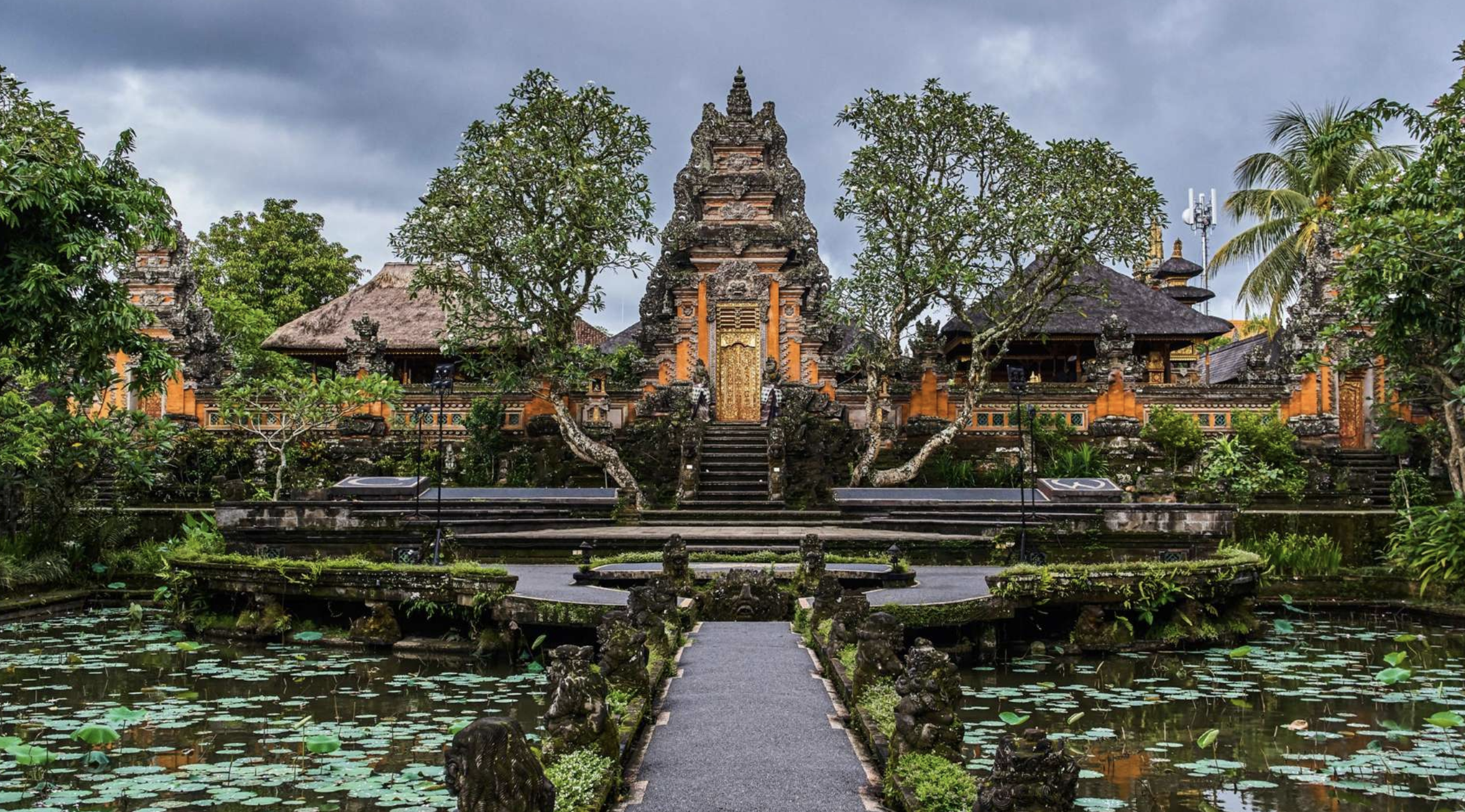
Saraswati Temple
Just a few minutes’ walk from the market, Saraswati Temple is known for its elegant lotus pond and intricately carved temple structures. The peaceful setting offers a welcome contrast to the lively atmosphere of the market and is a favorite spot for photography.
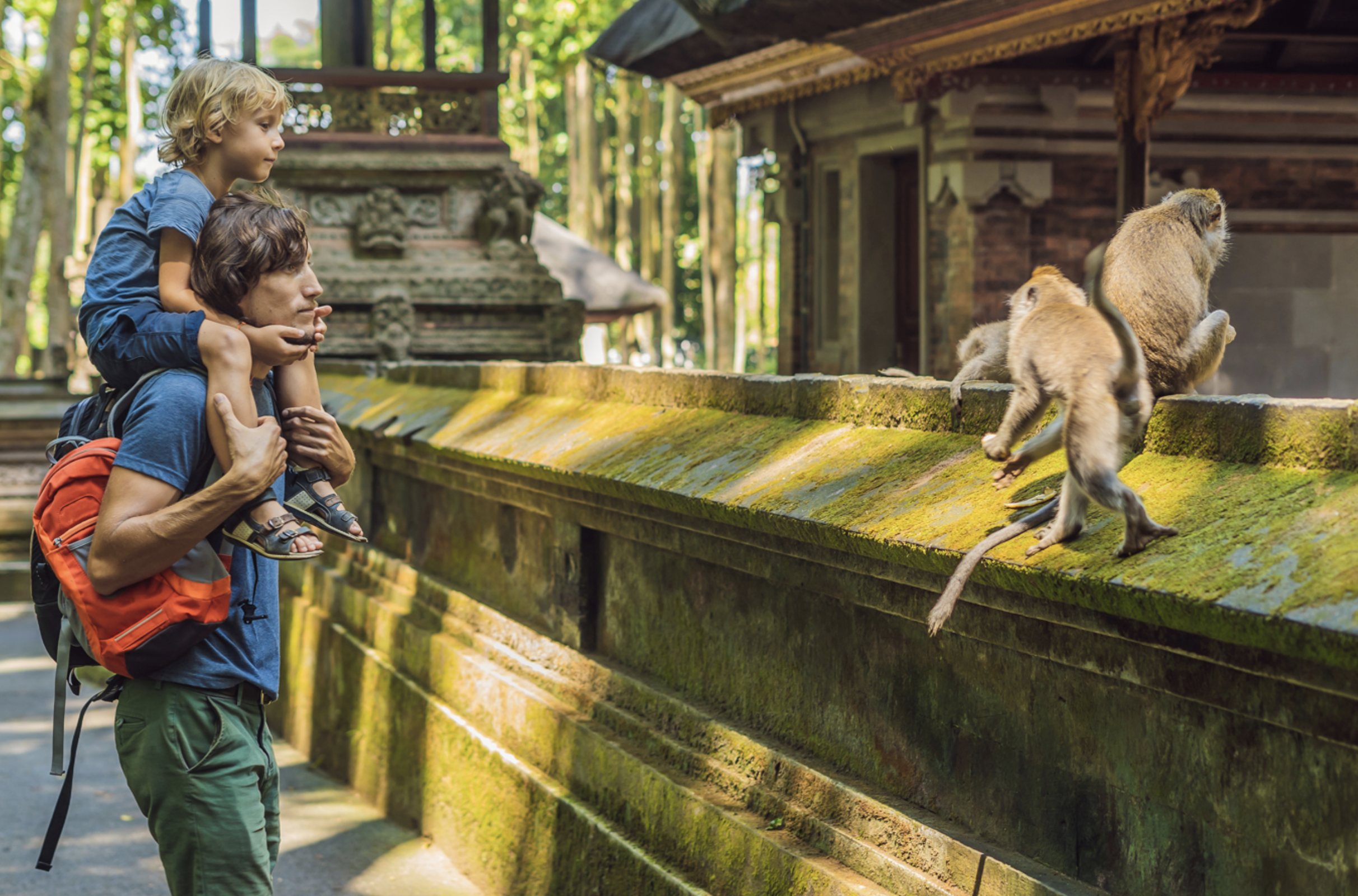
Sacred Monkey Forest Sanctuary
Located around five minutes by car or a twenty-minute walk away, the Sacred Monkey Forest Sanctuary is home to hundreds of long-tailed macaques living within a protected forest and ancient temple complex. It remains one of Ubud’s most visited natural and cultural attractions.

Campuhan Ridge Walk
For visitors seeking a quieter experience, Campuhan Ridge Walk offers scenic walking trails overlooking lush green hills and tropical landscapes. Early morning or late afternoon provides the most comfortable conditions for the walk.

Tegallalang Rice Terrace
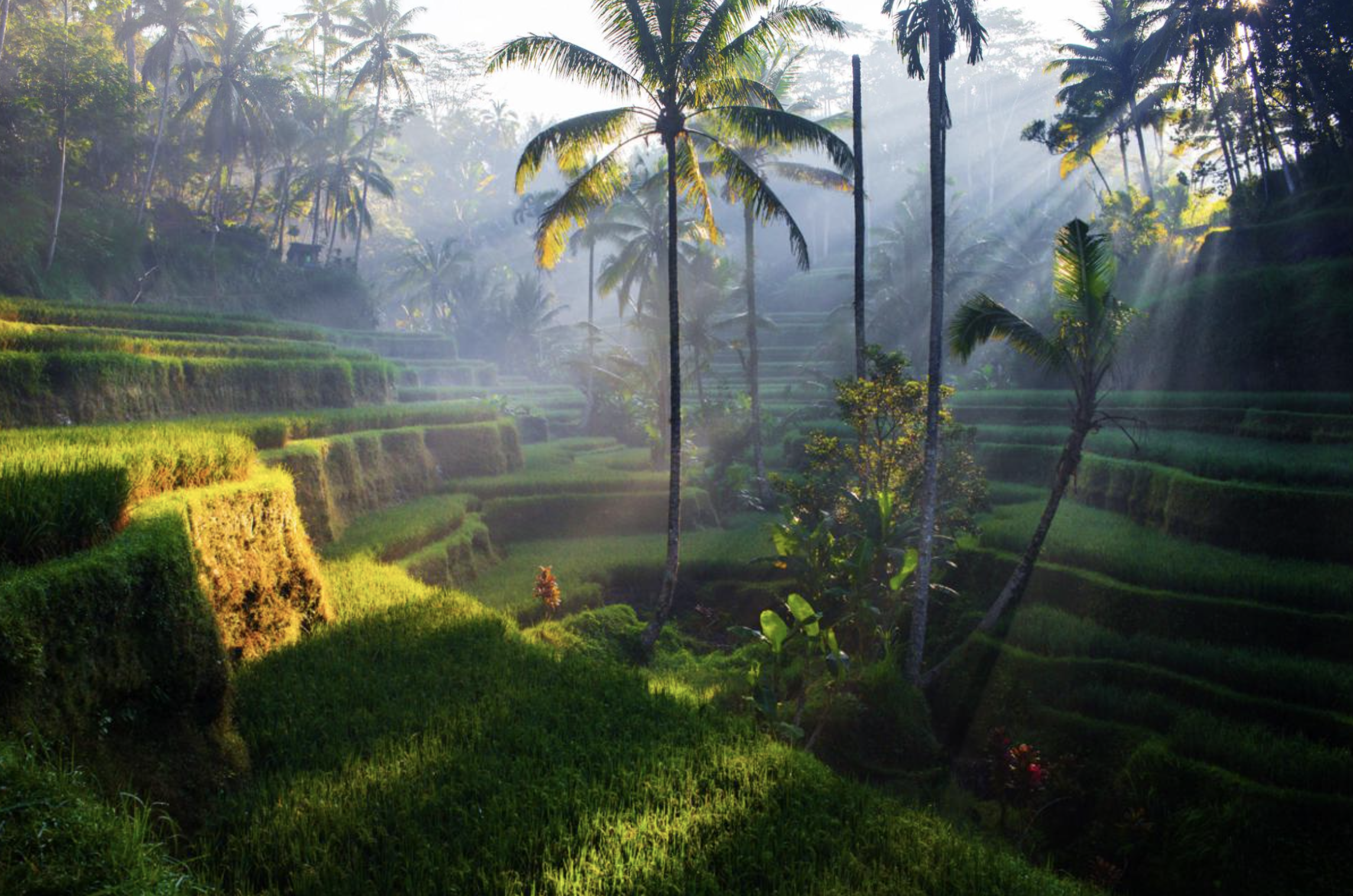
Approximately twenty minutes north of central Ubud, Tegallalang Rice Terrace showcases Bali’s iconic layered rice fields. The landscape offers spectacular views and provides insight into the traditional Subak irrigation system that has shaped Balinese agriculture for centuries.
Suggested Half-Day Ubud Itinerary
If you’re visiting central Ubud for the first time, it’s easy to combine several attractions into a relaxed half-day itinerary. Since most destinations are located within walking distance of one another, you can experience Ubud’s culture, architecture, shopping, and culinary scene without rushing.
8:00 AM — Breakfast in Ubud
Start your morning with breakfast at a local café before the streets become busier. A relaxed breakfast provides the perfect beginning before exploring the cultural center of Ubud.
9:00 AM — Visit Ubud Palace
Walk through the historic courtyards of Ubud Palace and admire its traditional Balinese architecture. The palace remains one of the town’s most recognizable cultural landmarks.
9:30 AM — Explore Ubud Art Market
Spend one to two hours wandering through the market, discovering handcrafted souvenirs, meeting local artisans, and practicing friendly bargaining while browsing unique Balinese products.
11:30 AM — Visit Saraswati Temple
Only a short walk away, Saraswati Temple offers a quieter atmosphere with its iconic lotus pond and elegant temple architecture.
12:00 PM — Take a Coffee Break
After a morning of walking through Ubud’s busy streets, slowing down with a cup of specialty coffee can be the perfect way to recharge before continuing your journey.
Afternoon — Continue Exploring Ubud
Depending on your schedule, continue your day with a visit to Sacred Monkey Forest Sanctuary, Campuhan Ridge Walk, or Tegallalang Rice Terrace.
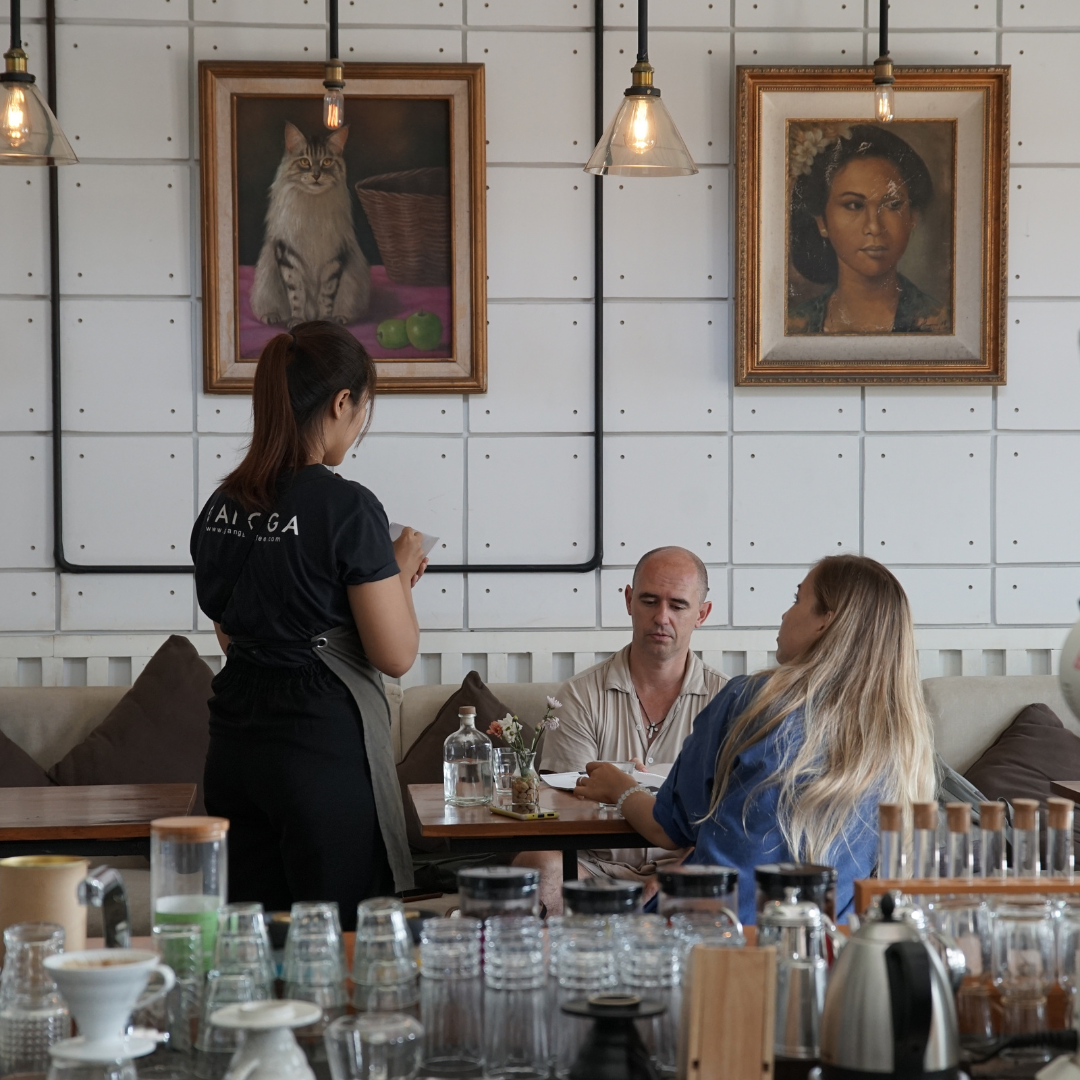
Where to Relax After Visiting Ubud Art Market
Exploring Ubud Art Market is an immersive experience. Between browsing handcrafted souvenirs, walking through lively streets, and interacting with local artisans, it’s natural to want a quieter place to pause before continuing your day.
Just a few minutes from the market, Gangga Coffee offers a calm setting where visitors can slow down and enjoy carefully crafted coffee in a more relaxed atmosphere. Whether you’re looking for a specialty espresso, a manual brew, or a leisurely brunch, it provides a comfortable contrast to the energy of central Ubud.
For travelers continuing to attractions such as Campuhan Ridge Walk or Tegallalang Rice Terrace, taking a short break before heading out often makes the rest of the journey more enjoyable.
Explore our Ubud location to discover our menu, opening hours, and directions before your visit.
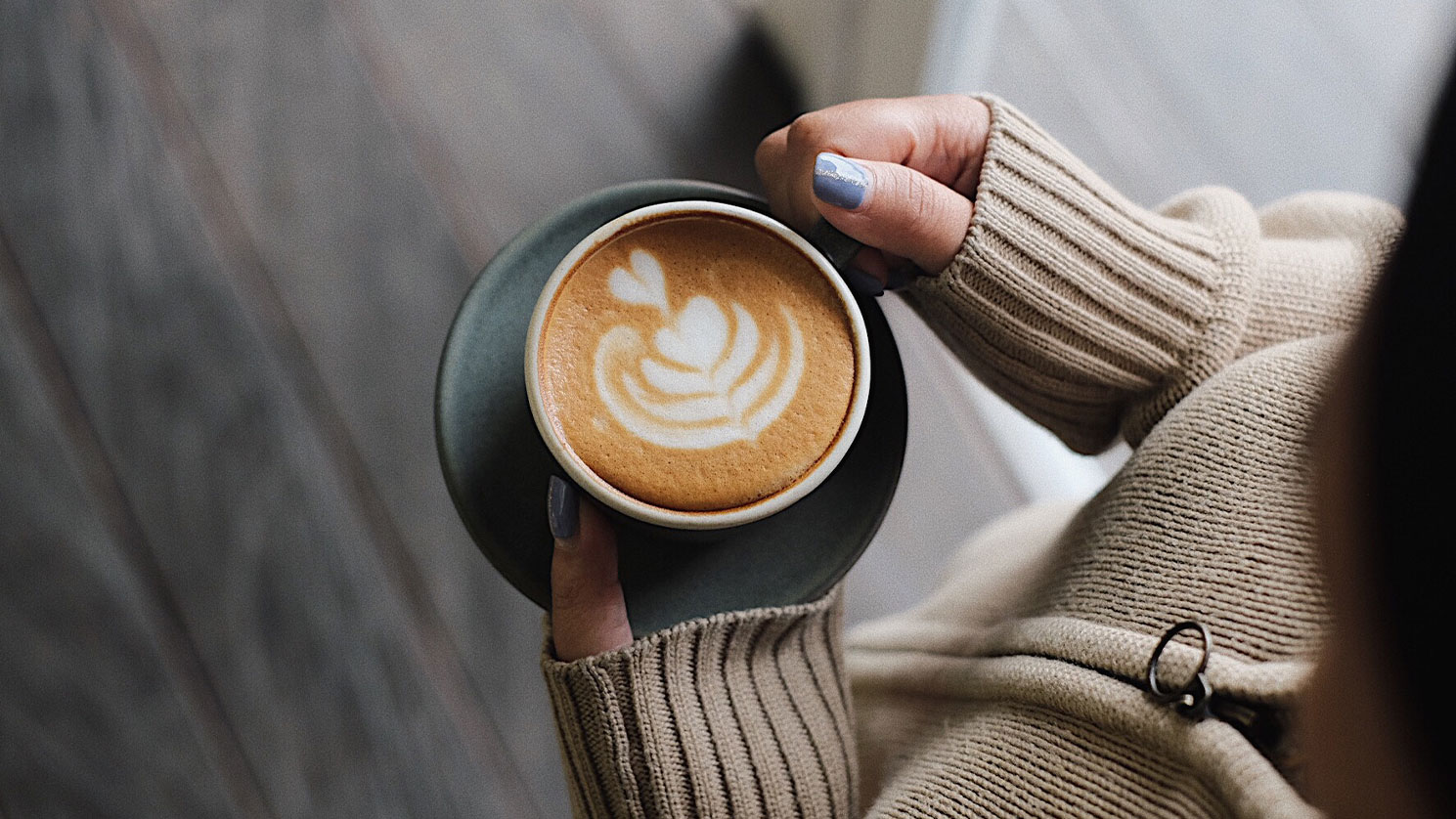
Slowing Down After the Market
While many travelers visit Ubud Art Market for shopping, the experience often becomes something more memorable than simply buying souvenirs.
The conversations with local artisans, the intricate craftsmanship behind every handmade item, and the vibrant atmosphere of the market offer a deeper appreciation of Balinese culture. Rather than rushing from one attraction to another, taking time to pause allows those moments to become part of the journey itself.
Whether you spend an hour browsing handcrafted goods or an entire morning exploring the surrounding streets, Ubud Art Market offers a meaningful glimpse into the creativity that has long defined this cultural town.
Frequently Asked Questions
Is Ubud Art Market free to enter?
Yes. Ubud Art Market does not charge an entrance fee, making it one of the most accessible attractions in central Ubud. Visitors only need to pay for parking if arriving by motorbike or car.
What are the opening hours of Ubud Art Market?
The market is generally open daily from 8:00 AM to 4:00 PM, although individual vendors may open earlier or close later depending on the day and visitor traffic.
What is the best time to visit Ubud Art Market?
Morning, especially before 10:00 AM, is usually the best time to visit. The weather is cooler, the market is less crowded, and vendors have fully stocked displays.
How long should I spend at Ubud Art Market?
Most visitors spend one to two hours exploring the market. If you also plan to visit nearby attractions, you can easily include it as part of a half-day itinerary.
Is bargaining allowed at Ubud Art Market?
Yes. Friendly bargaining is a common part of the shopping experience. Vendors generally expect polite negotiation, and many visitors begin discussions at around 50–60% of the initial asking price.
What are the best souvenirs to buy?
Popular choices include handwoven bags, batik clothing, wooden carvings, handmade jewelry, home décor, and traditional Balinese handicrafts.
Can I pay by credit card?
Some larger vendors accept card payments, but many stalls still prefer cash. Carrying Indonesian Rupiah in smaller denominations is recommended.
Is parking available?
Yes. Parking is available for both motorbikes and cars near the market, although spaces can become limited during busy periods.
Can I walk to Ubud Art Market?
If you’re staying in central Ubud, yes. The market is within walking distance of Ubud Palace, Saraswati Temple, and many nearby hotels, restaurants, and cafés.
What attractions are near Ubud Art Market?
Nearby attractions include Ubud Palace, Saraswati Temple, Sacred Monkey Forest Sanctuary, Campuhan Ridge Walk, and Tegallalang Rice Terrace.