Kintamani coffee is more than a regional specialty—it is a reflection of Bali’s highland ecology, its cultural systems, and a slower, more intentional way of growing and enjoying coffee. For many travelers arriving in Bali, coffee begins as a daily habit. But in Kintamani, it becomes something else entirely: a story shaped by volcanic soil, community irrigation systems, and generations of farmers working in quiet rhythm with the land.
To understand Kintamani coffee is to look beyond the cup and into the landscape that produces it.
The Origins of Kintamani Coffee
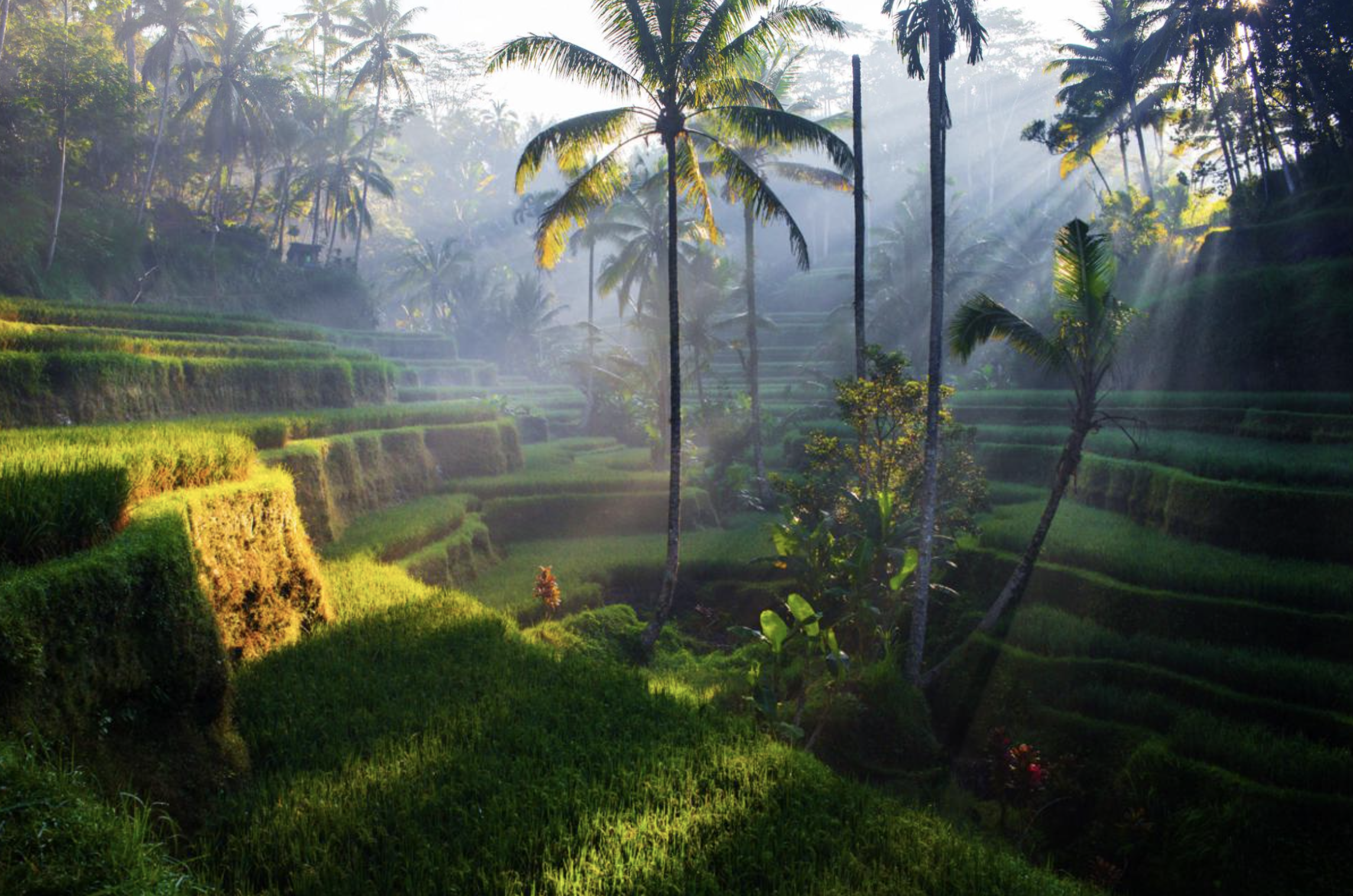
Kintamani is a mountainous region in the northeastern part of Bali, sitting between 900 and 1,600 meters above sea level. The area is shaped by volcanic activity, particularly from Mount Batur, which has enriched the soil with minerals over centuries.
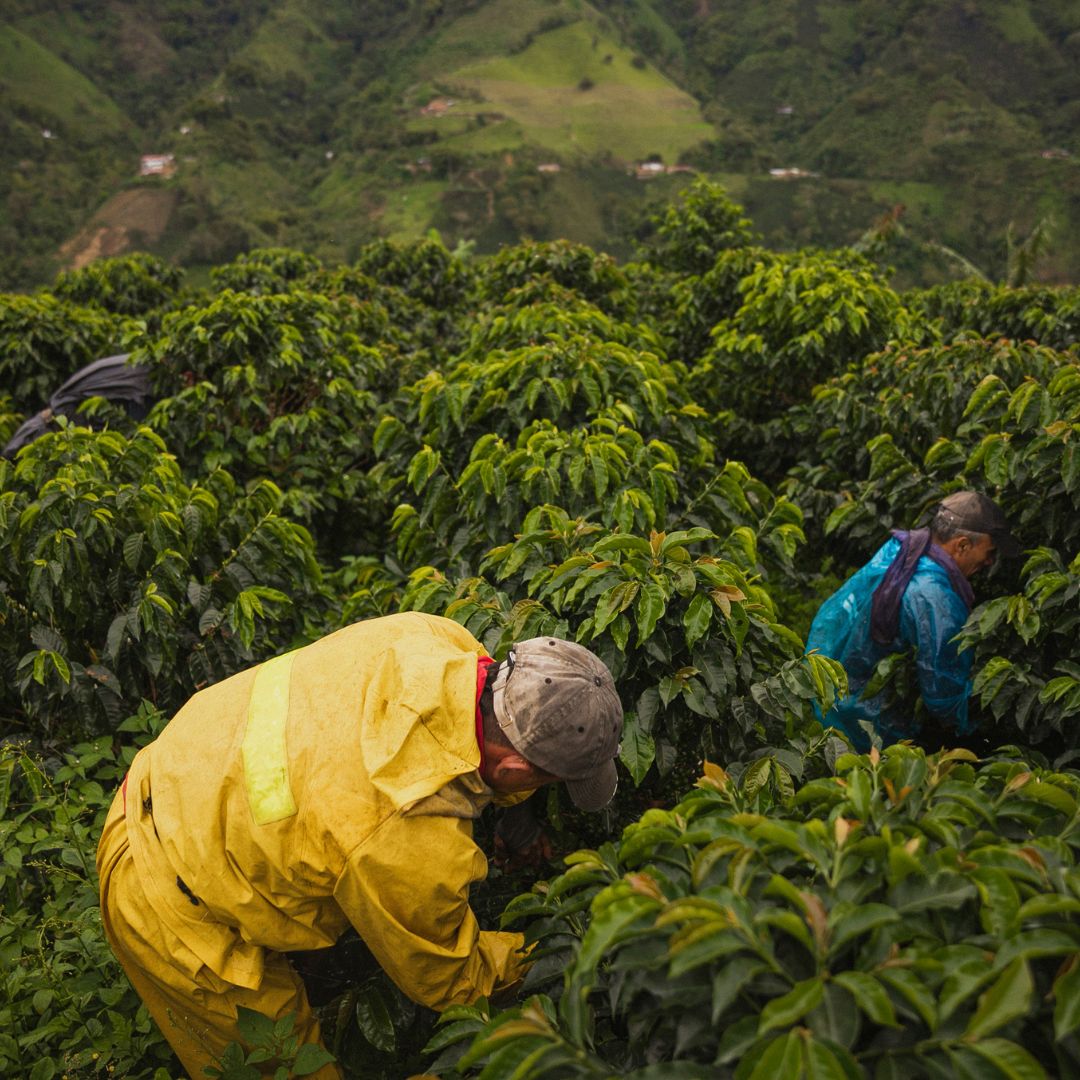
Coffee cultivation here began during the Dutch colonial period, but over time, local farmers adapted the crop to fit their own agricultural systems. Unlike large-scale plantations found in other parts of the world, Kintamani coffee is grown mostly by smallholder farmers who manage modest plots of land.
What makes this region distinct is not just its altitude or soil, but its integration with Bali’s traditional subak system—a communal irrigation method that coordinates water use among farmers. This system, recognized globally for its cultural significance, ensures that coffee is grown in harmony with other crops like citrus, vegetables, and spices.
This intercropping approach subtly influences the coffee itself.
What Makes Kintamani Coffee Unique?
Kintamani coffee is typically processed using the wet-hulling method (locally known as giling basah), which is common in Indonesia. However, the region’s specific climate and farming practices give it a flavor profile that stands apart.
Flavor Profile

Kintamani coffee is often described as:
- Bright and clean
- Light to medium-bodied
- Citrus-forward (orange, tangerine, sometimes lemongrass)
- Mild sweetness with low bitterness
Unlike many Indonesian coffees that lean toward earthy or heavy profiles, Kintamani coffee feels lighter and more refreshing. This is largely due to the combination of altitude, volcanic soil, and the presence of citrus trees grown alongside the coffee plants.
Arabica Dominance
Most Kintamani coffee is Arabica, which thrives at higher elevations. This contributes to its acidity and aromatic complexity, making it especially appealing to those who prefer nuanced, delicate cups over bold, bitter ones.
How to Brew Kintamani Coffee for Its Best Expression
Understanding Kintamani coffee also means knowing how to brew it in a way that highlights its natural character.
Recommended Brewing Methods
- Pour Over (V60 or Kalita): Enhances clarity and brightness
- French Press: Brings out more body while preserving citrus notes
- AeroPress: Balanced extraction with gentle acidity
Brewing Tips
- Use freshly ground beans to preserve aroma
- Opt for a medium grind size for pour-over
- Keep water temperature between 90–96°C
- Maintain a brew ratio of 1:15 to 1:17
Because Kintamani coffee has a lighter profile, over-extraction can easily mute its citrus notes. A careful, slower brew tends to reveal more of its character.
The Local Perspective: Coffee as Part of Daily Life
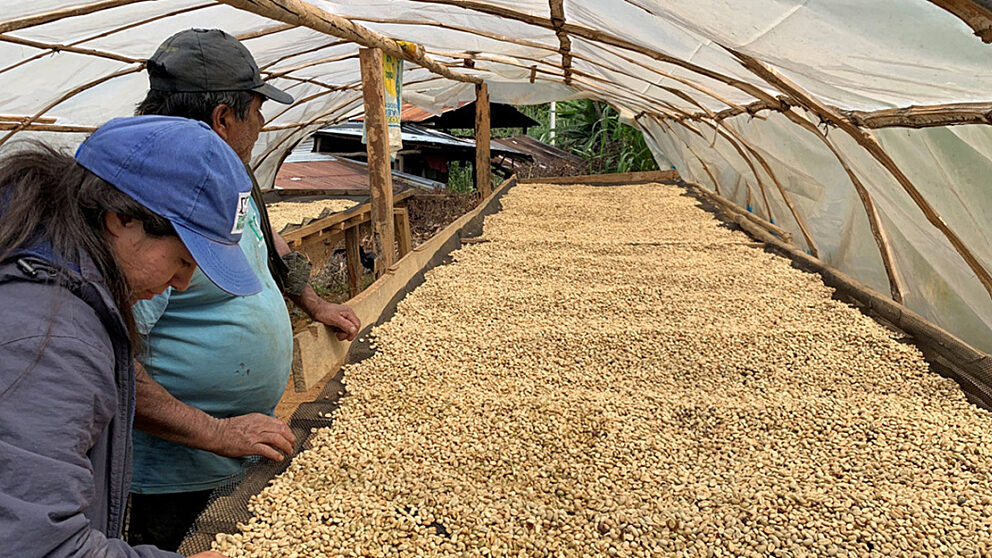
In Kintamani, coffee is not treated as a luxury product. It is part of daily life—consumed in homes, shared with neighbors, and often brewed simply.
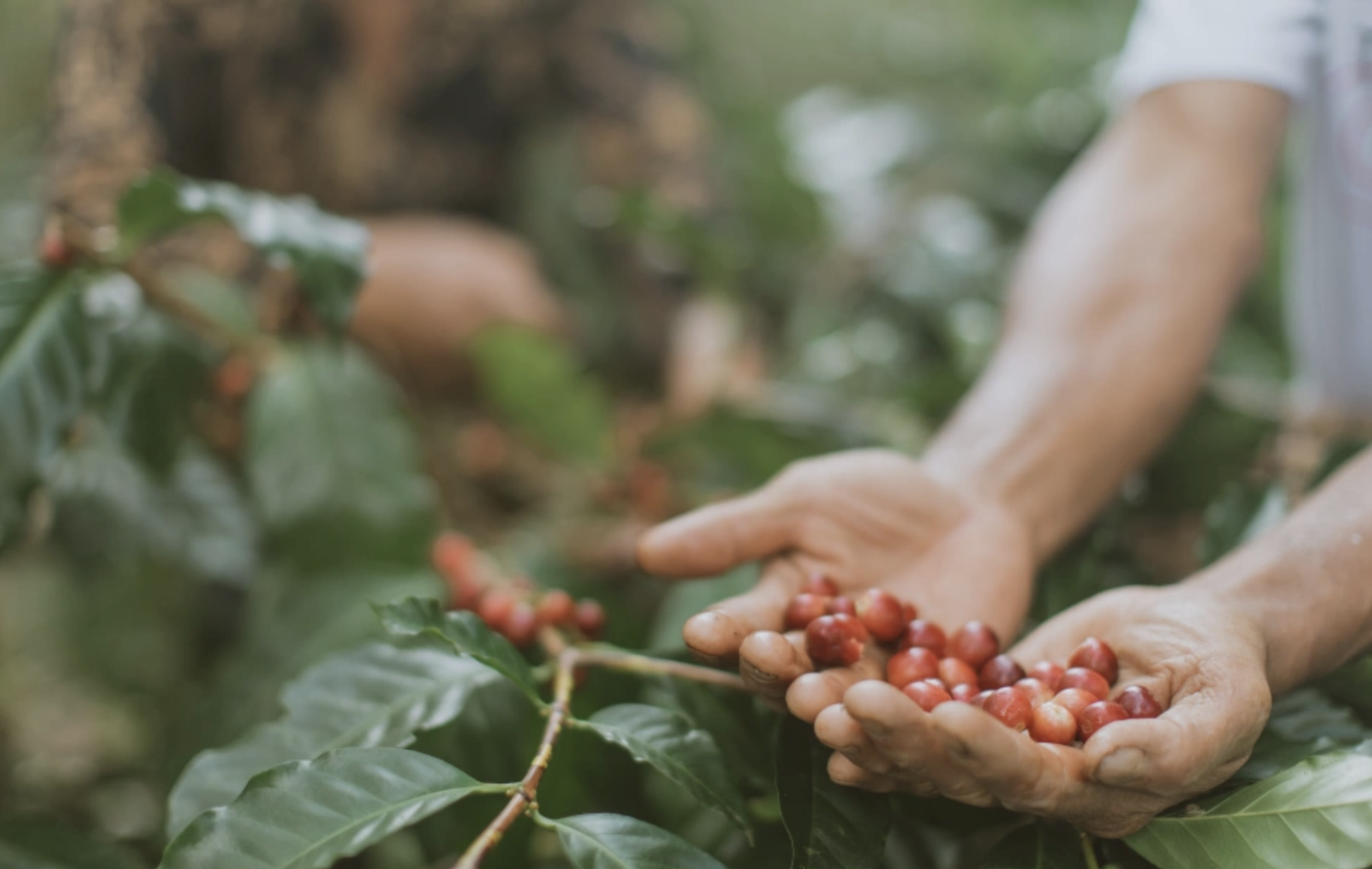
Farmers wake early to tend their crops, and coffee is both a livelihood and a companion to their routines. The process—from picking cherries to drying beans—is often done manually, with care passed down through generations.
There is also a strong sense of community embedded in coffee production. The subak system ensures that no farmer works entirely alone, and decisions about water, planting, and harvesting are made collectively.
This collective rhythm is something you can feel in the coffee itself—steady, balanced, and unhurried.
Experiencing Kintamani Coffee in Bali
While visiting Kintamani offers the most direct connection to its origin, you don’t need to travel to the highlands to experience its essence.
In Ubud, where culture and craft intersect, Kintamani coffee is often brewed with intention—highlighting not just flavor, but the story behind it.
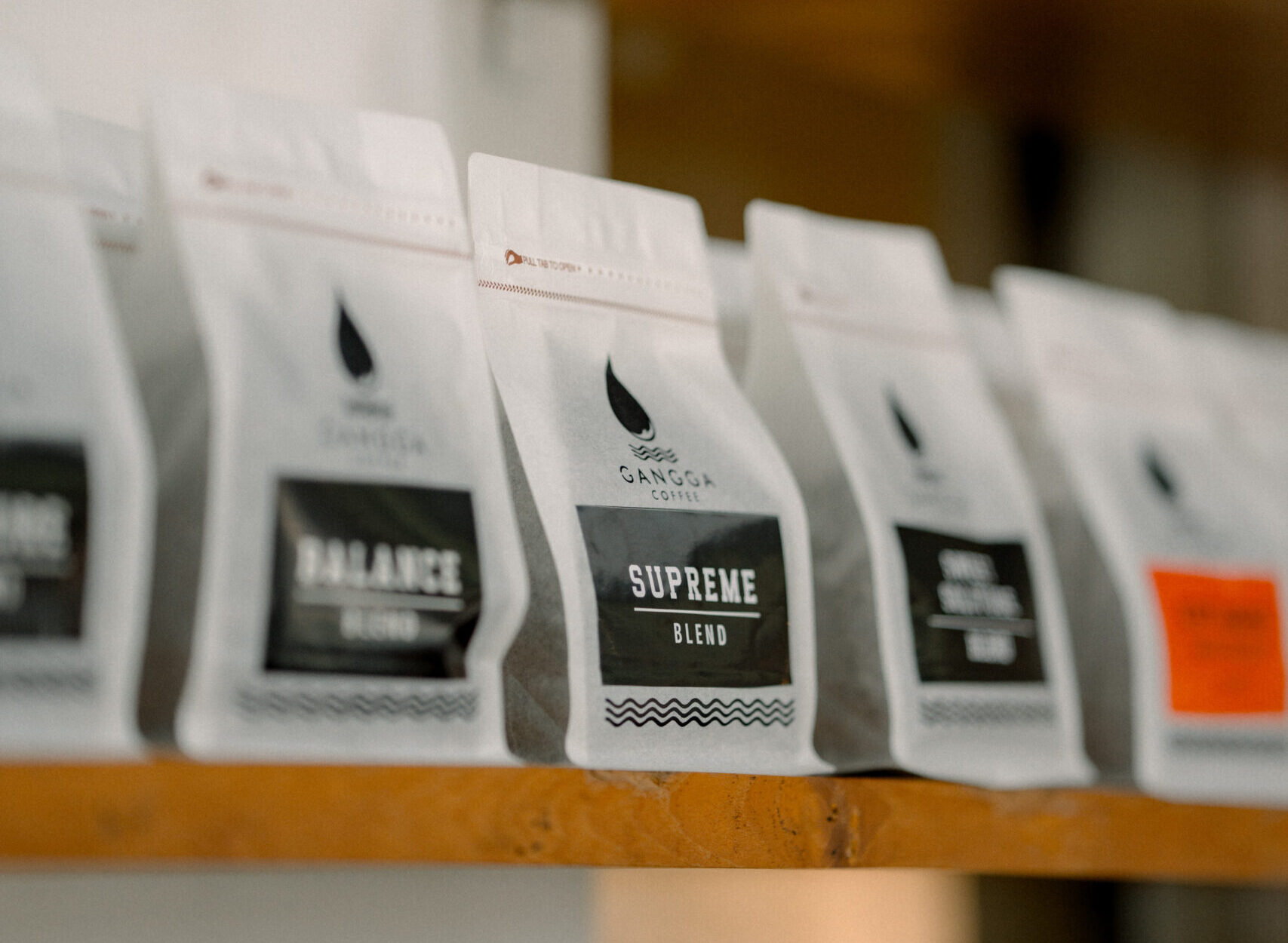
At Gangga Coffee, Kintamani beans are approached with this same perspective. Rather than overwhelming the cup with heavy roasting or complex preparation, the goal is to let the coffee speak clearly.
Served slowly, often in a calm setting, it becomes less about consumption and more about attention.
A Quiet Invitation to Slow Down
Kintamani coffee invites a different kind of appreciation. It asks you to notice subtlety—to recognize how soil, altitude, and human care shape something as simple as a cup of coffee.
If your journey brings you through Ubud, there are spaces where this experience can unfold naturally. Places where coffee is not rushed, and where the environment encourages you to pause, observe, and reconnect with the present moment.
You can explore this kind of experience at Gangga Coffee. If you’re curious, you may find your way here:
https://ganggacoffee.com/location
Not as a destination to check off, but as a place to sit, taste, and understand Kintamani coffee a little more deeply.