If you are planning to explore local souvenirs in Ubud, visiting Ubud Art Market can be one of the most rewarding experiences. Located in the cultural heart of Bali, this traditional market offers more than just shopping—it presents a glimpse into the daily creativity of Balinese artisans. From handcrafted goods to cultural interactions, the market invites visitors to slow down and engage with the essence of Ubud.
A Cultural Marketplace in the Heart of Ubud
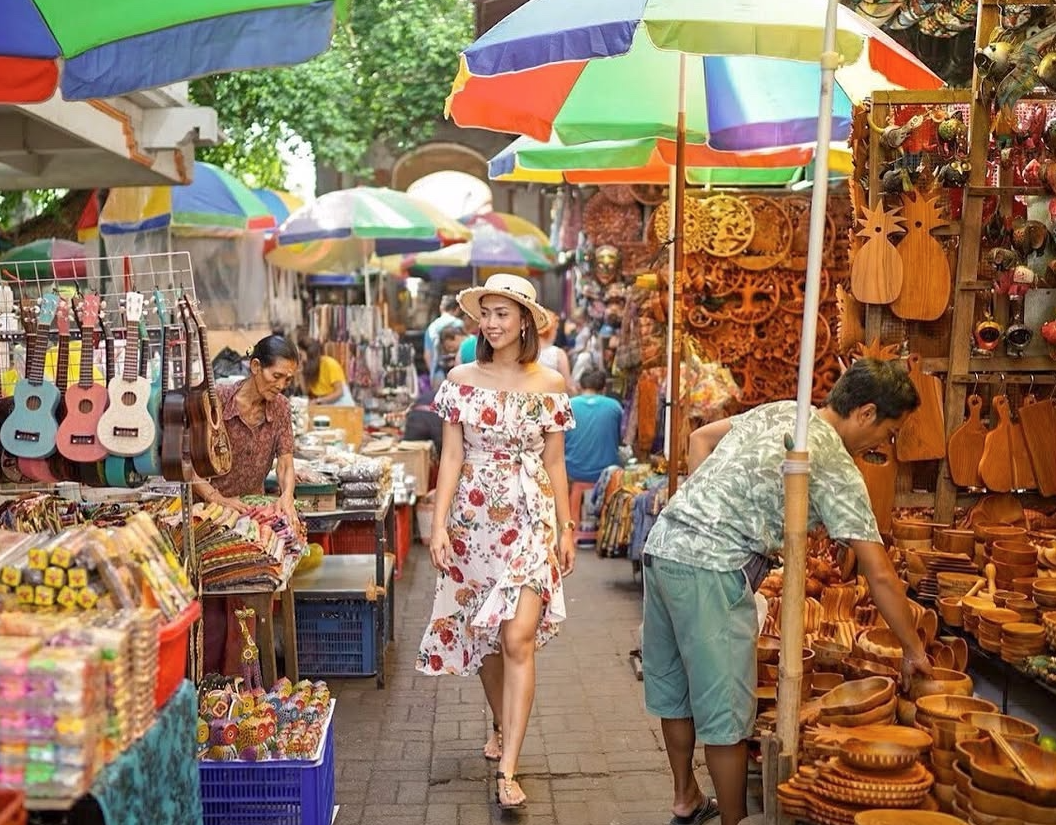
Ubud Art Market sits at the center of Ubud, surrounded by temples, palaces, and narrow streets filled with artistic energy. Unlike modern shopping centers, this market reflects a living tradition where commerce and culture meet naturally.
Here, most of the items are made by local families and small-scale artisans from Ubud and nearby villages. The products carry not only aesthetic value but also stories—of craftsmanship passed down through generations.
Walking through the market, you will find colorful displays of:
- Handwoven bags and baskets
- Batik fabrics and clothing
- Wooden carvings and masks
- Handmade jewelry and accessories
The atmosphere is lively yet intimate, offering a more personal experience compared to typical retail spaces.
What You Can Do at Ubud Art Market
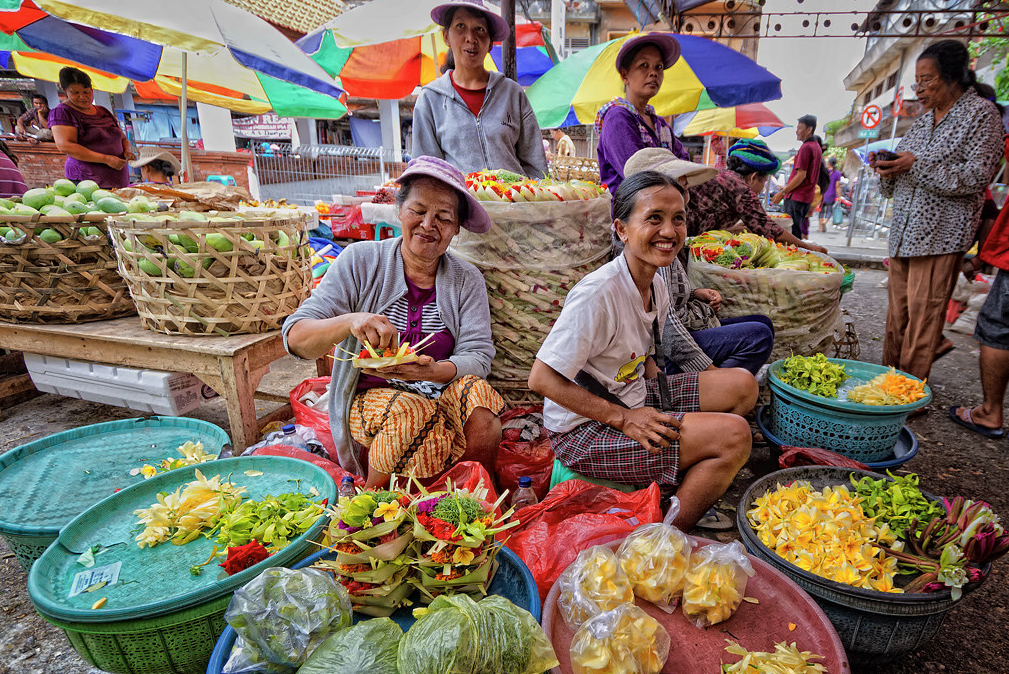
Visiting Ubud Art Market is not only about buying souvenirs—it is about experiencing a cultural rhythm.
1. Explore Handmade Crafts
Every corner of the market showcases unique items created by local artisans. Unlike mass-produced goods, these pieces often reflect Balinese symbolism, spirituality, and daily life.
2. Experience Bargaining
One of the most memorable activities here is bargaining. It is part of the local culture and often done with a friendly, respectful tone. For many visitors, this interaction becomes a highlight of their visit.
3. Connect with Local Sellers
Behind each stall is a person with a story. Engaging in small conversations can turn a simple purchase into a meaningful cultural exchange.
4. Enjoy the Visual Atmosphere
Even if you are not planning to shop, the vibrant arrangement of colors, textures, and handcrafted items makes the market worth visiting purely for visual inspiration.
Practical Insight
Opening Hours and Entrance Fees
- Opening Hours: 08:00 AM – 04:00 PM
Some vendors may open earlier or close later depending on the day. - Entrance Fee: Free
Visitors can explore the market without any admission cost.
Best Time to Visit
- Morning (before 10 AM): Less crowded, more relaxed atmosphere
- Late Afternoon: Softer sunlight, more comfortable for walking
Getting There
Reaching Ubud Art Market is relatively easy:
- Walking (if staying in central Ubud)
- Renting a motorbike or car
- Taking a taxi for convenience
Parking Information
- Motorbike parking (basement): around IDR 2,000
- Car parking at central parking area: around IDR 10,000
Practical Tips
- Bring cash (small denominations are helpful)
- Start bargaining at about 50–60% of the initial price
- Stay polite and smile—it makes the experience more enjoyable
Nearby Attractions Worth Exploring
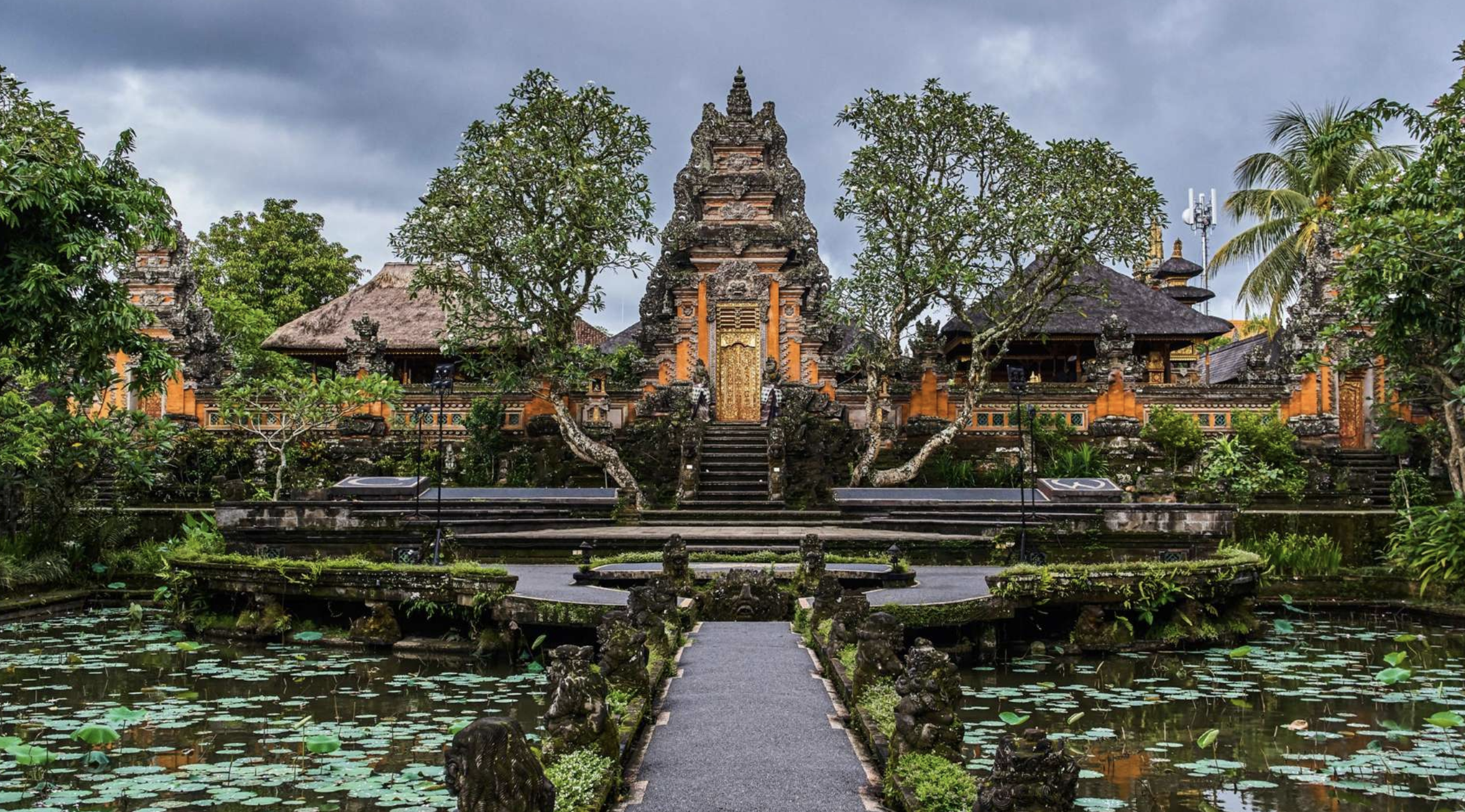
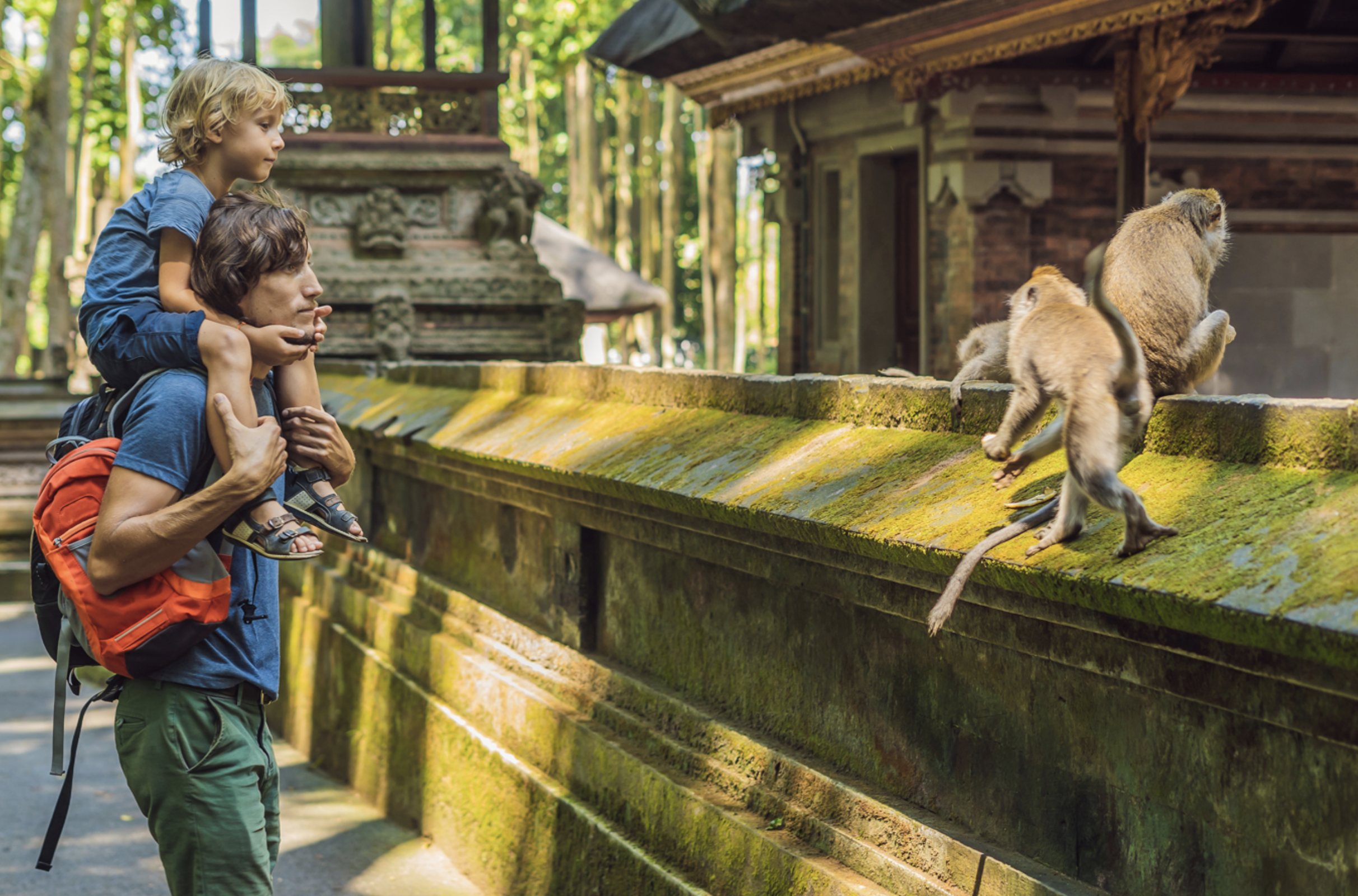

One of the advantages of visiting Ubud Art Market is its proximity to several iconic places:
- Puri Saren Ubud – A royal palace showcasing traditional Balinese architecture
- Puri Saraswati Ubud – A peaceful lotus temple in central Ubud.
- Sacred Monkey Forest Sanctuary – A lush forest inhabited by hundreds of monkeys
- Campuhan Ridge Walk – A scenic walking trail with peaceful views
- Tegallalang Rice Terrace – Iconic rice fields with layered green landscapes
Exploring these locations alongside the market creates a well-rounded Ubud experience—blending culture, nature, and daily life.
A Pause Between Exploration
After navigating the lively atmosphere of Ubud Art Market, many travelers find themselves seeking a quieter space to pause. Ubud invites not only movement but also stillness.
In between destinations, a simple ritual—like enjoying a well-prepared cup of coffee—can offer a moment to reflect on what you’ve seen, touched, and experienced. The transition from the market’s vibrant energy to a more grounded setting often deepens the journey itself.
Slowing Down After the Market
Visiting Ubud Art Market is not just about bringing home souvenirs—it is about engaging with the creative spirit of Bali. Each interaction, each handcrafted piece, and each quiet observation contributes to a more meaningful understanding of the place.
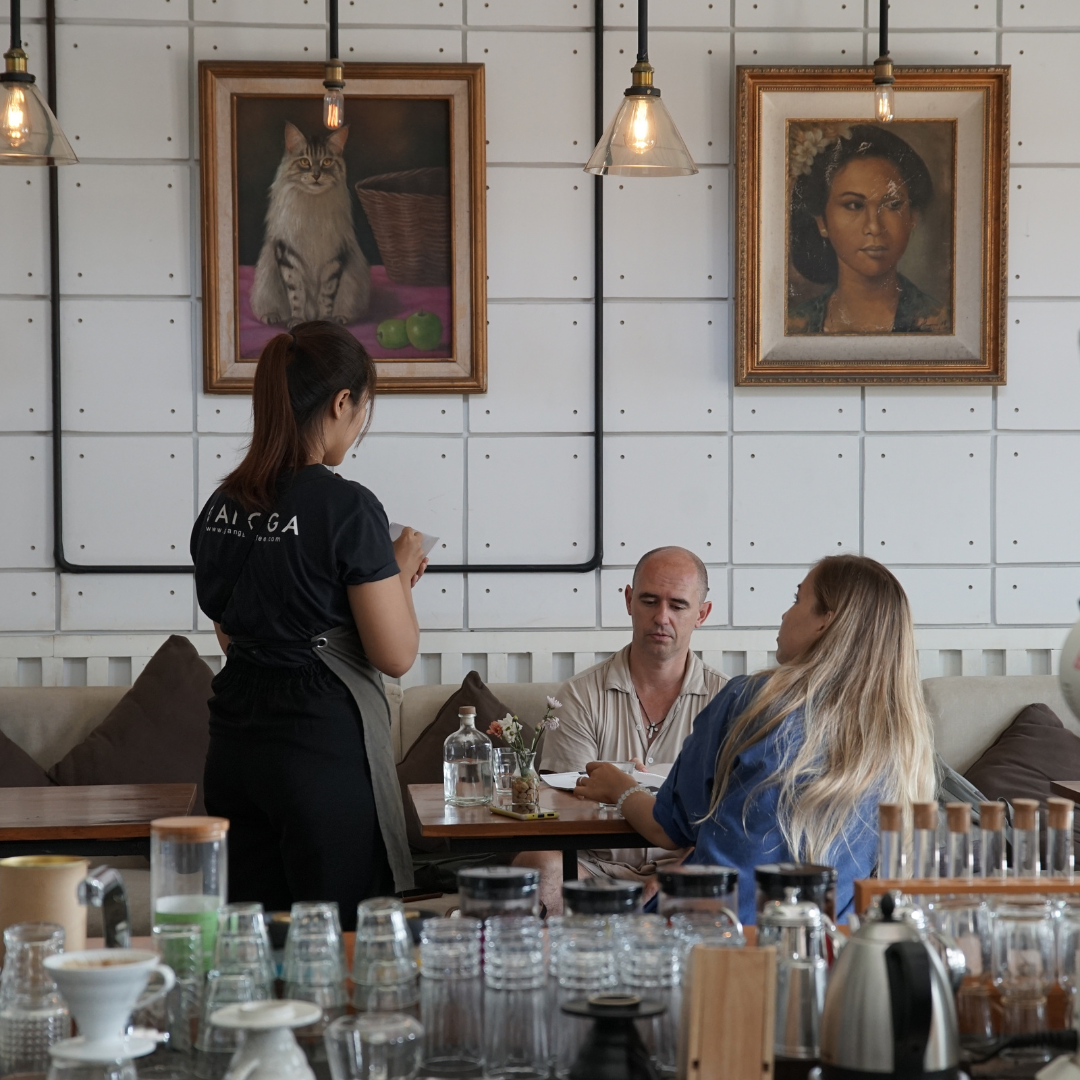
If your journey through Ubud leads you from the bustling market streets to a quieter corner, you may find it meaningful to pause and reflect over a cup of coffee. Just a short distance away, Gangga Coffee offers a space to slow down and reconnect with the moment.
Discover more about the experience here: Locations