If you have ever ordered a manual brew (V60) in Bali, you might have noticed something unique. It doesn’t just taste like “strong coffee.” It has a bright, fruity aroma—almost like orange or lemon—followed by a smooth, chocolatey aftertaste.
No, we didn’t add syrup to your cup. That is the natural magic of Kintamani Arabica Coffee.
At Gangga Coffee, we roast these beans daily in our Ubud roastery. But what makes Bali beans so different from Sumatra or Java coffee? Let’s dive into the journey from the volcano to your cup.
The Secret is in the Soil (and the Neighbors)
Kintamani coffee grows in the highlands of Mount Batur, an active volcano. The soil is rich in volcanic minerals, but the real secret lies in how it is planted.
In Kintamani, coffee trees are often planted alongside citrus (orange) trees. This traditional method is called intercropping. Believe it or not, the roots of the coffee plants absorb the nutrients and characteristics of the surrounding soil and vegetation.
That is why, when you sip a cup of Gangga Coffee’s Kintamani roast, you get that distinct citrusy acidity naturally.
The Flavor Profile: What to Expect?
For new coffee drinkers, “acidity” can sound scary. But in the world of specialty coffee, acidity is a good thing—it’s the “sparkle” in your drink.
- Aroma: Fresh, floral, and fruity.
- Tasting Notes: Bright orange/lemon zest, transitioning into brown sugar and dark chocolate finish.
- Body: Medium body (not too heavy, not too watery).
Fresh Roast vs. Supermarket Coffee
You might find “Bali Coffee” in souvenir shops or supermarkets, but be careful. Coffee beans are like fresh bread—they stale quickly.
Commercial coffee often sits on shelves for months, losing its complex citrus notes and leaving only a flat, bitter taste. At Gangga Coffee, we roast in small batches. We ensure that the bag you buy is at its peak flavor window (usually best consumed within 1-4 weeks after roasting).
How to Best Enjoy Kintamani Beans?
Want to taste the full spectrum of flavors? We recommend:
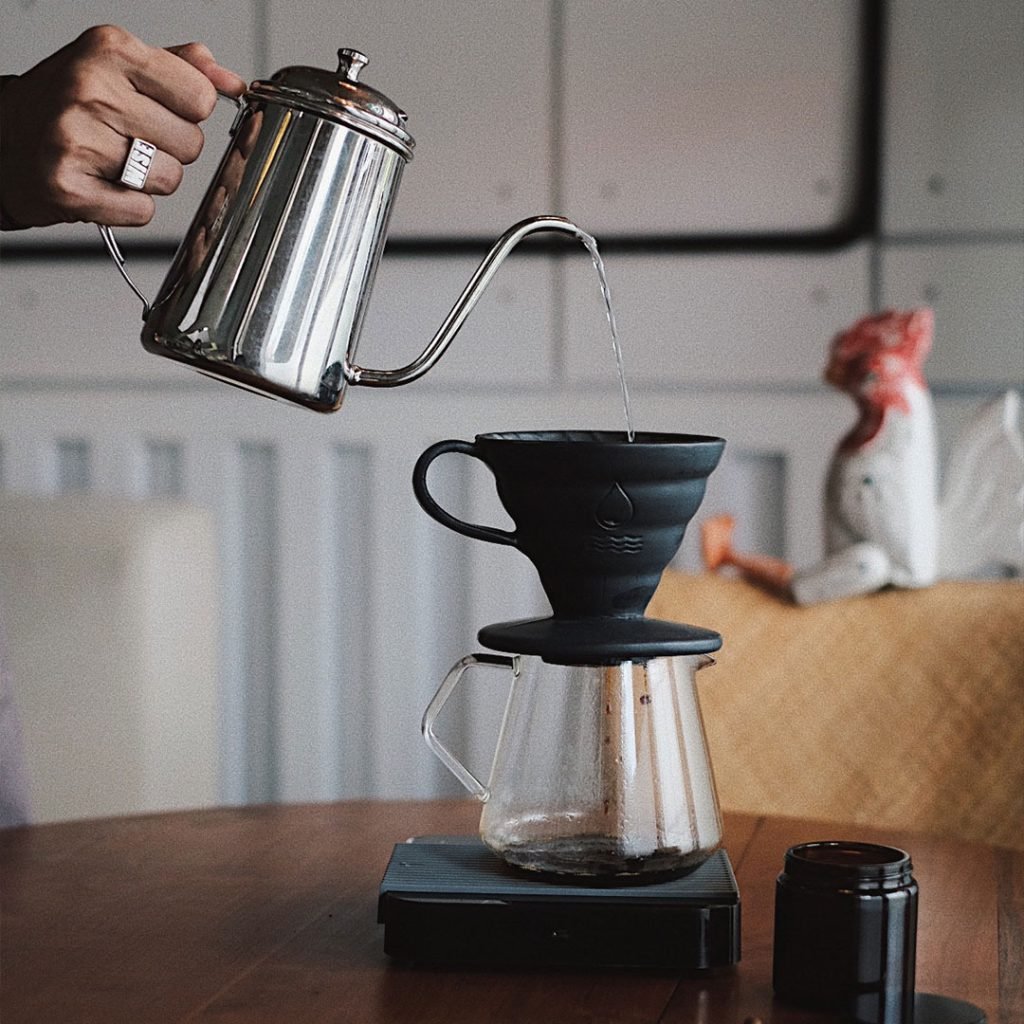
1. Manual Brew (V60 / Kalita)
This method highlights the clarity and fruitiness of the bean. It’s light, tea-like, and refreshing. Perfect for a hot Ubud morning.
2. Japanese Iced Coffee
Brewed hot directly over ice. This locks in the aroma and acidity instantly. It is hands down the best way to cool down in the afternoon.
Take a Piece of Bali Home
Don’t just drink it here. Bring the authentic taste of Bali back to your home country. Our roasted beans are packed with a one-way valve to ensure freshness during your travel.
Want to try it first? Visit our roastery in Peliatan, Ubud, and ask our barista for a “Kintamani V60”.