
Good coffee has a quiet way of shaping the day. The act of brewing itself—measured, unhurried—can become a grounding ritual. When done well, drip coffee offers clarity in both flavor and experience.
In this guide, we explore how to brew drip coffee using a simple method, while also understanding the elements that influence taste. Whether you’re using a ready-made drip bag or preparing your own setup, the principles remain the same.
Understanding Drip Coffee Brewing
\
Drip coffee brewing is one of the most accessible ways to make coffee. At its core, it involves pouring hot water over ground coffee, allowing gravity to draw the brewed liquid through a filter and into your cup.
There are several variations of this method:
Manual Drip (Pour Over)
Using tools like a dripper and paper filter, you control every aspect—from pouring speed to water temperature. This method rewards attention and patience.
Drip Bag Coffee
Pre-portioned and designed for convenience, drip bags are ideal for travel or quick mornings. They simplify the process without sacrificing too much quality.
Automatic Drip Machines
Common in homes and offices, these machines automate the process. While convenient, they often limit control over extraction.
Each method shares the same philosophy: slow extraction, balanced flavor, and clarity in the cup.
The Core Brewing Method

If you’re using a drip bag (like those from Gangga Coffee or your preferred roaster), here is a simple and reliable approach:
Step-by-Step Guide
- Open the drip bag
Tear along the indicated line to expose the ground coffee inside. - Place it on your cup
Secure the paper arms of the drip bag over the edges of your cup. - Prepare hot water (180 ml)
Ideal temperature is around 90–96°C—just off the boil. - Bloom the coffee (30 ml)
Slowly pour a small amount of water over the grounds. Let it sit for about 20 seconds.
This step releases trapped gases and prepares the coffee for even extraction. - Continue pouring
Pour the remaining water slowly and steadily, maintaining a gentle flow. - Remove the drip bag
Once dripping slows, remove the bag and discard. - Enjoy your coffee
Take a moment before your first sip—notice the aroma, the warmth, the pause.
What Shapes the Taste of Drip Coffee
A good cup of drip coffee is influenced by a few essential elements. Understanding these helps you adjust and refine your brew.
Water: The Hidden Ingredient
Coffee is about 98% water. Its quality directly impacts flavor.
- Use clean, filtered water
- Avoid overly hard or heavily chlorinated water
- Maintain proper temperature (not boiling)
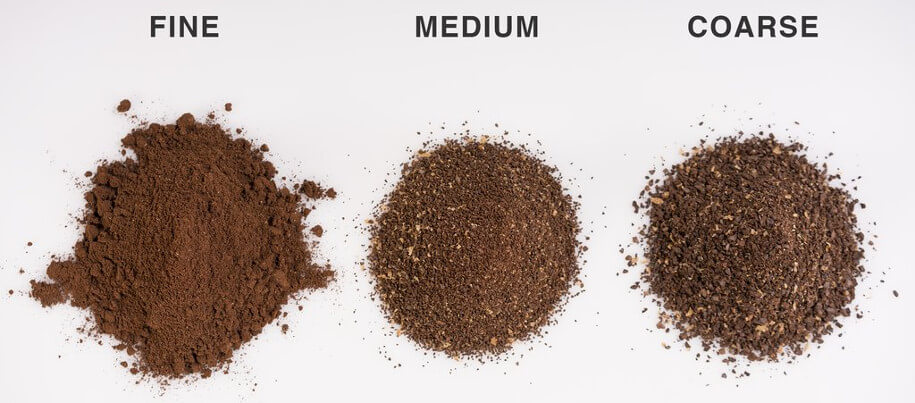
Grind Size: Controlling Extraction
Grind size determines how quickly water extracts flavor:
- Fine → stronger, more intense (but can become bitter)
- Medium → balanced and ideal for drip methods
- Coarse → lighter, often under-extracted
Drip coffee generally works best with a medium grind, allowing for steady extraction.
Time and Pouring Technique
Pouring too fast can lead to weak coffee. Too slow, and it may become over-extracted.
A steady, circular pour helps ensure all grounds are evenly saturated.
Advantages and Limitations of Drip Coffee
Drip coffee sits at the intersection of simplicity and quality.
Advantages
- Consistency: When done properly, it produces a clean and balanced cup
- Accessibility: Requires minimal equipment, especially with drip bags
- Flavor clarity: Highlights subtle notes in the coffee
Limitations
- Less convenience (manual methods): Requires attention and time
- Equipment variation: Different tools can affect consistency
- Cost (in some formats): Pre-packaged drip bags or pods can be more expensive over time
Each method—manual, machine, or drip bag—offers a different balance between control and convenience.
Choosing Coffee Beans for Drip Brewing
The type of coffee bean you choose will shape your experience in the cup.
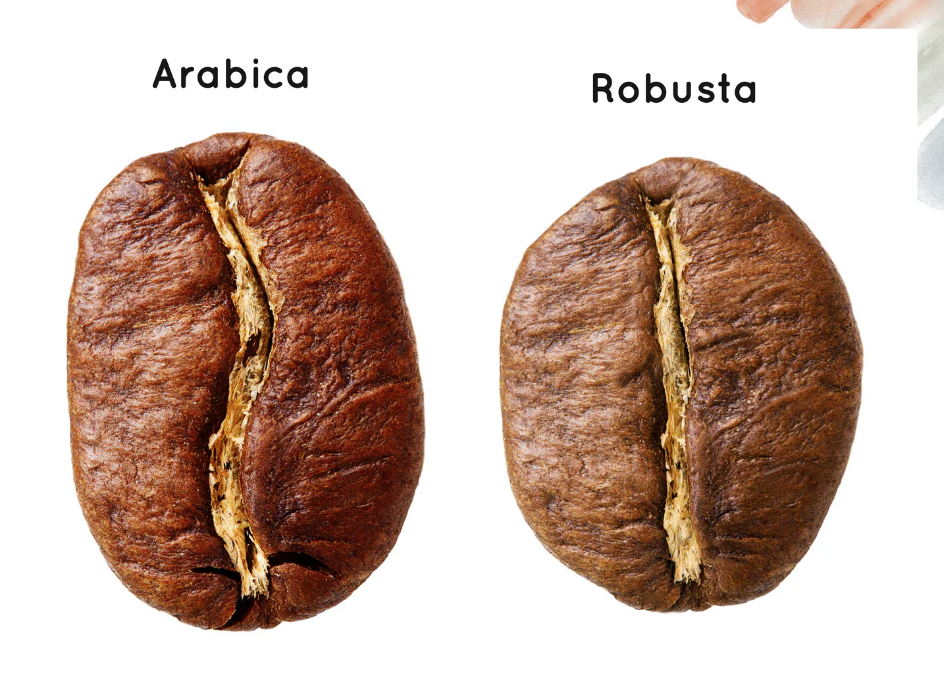
Arabica
- Smooth, complex, often with floral or fruity notes
- Ideal for drip brewing due to its clarity
Robusta
- Stronger, more bitter, higher caffeine
- Less commonly used alone for drip coffee
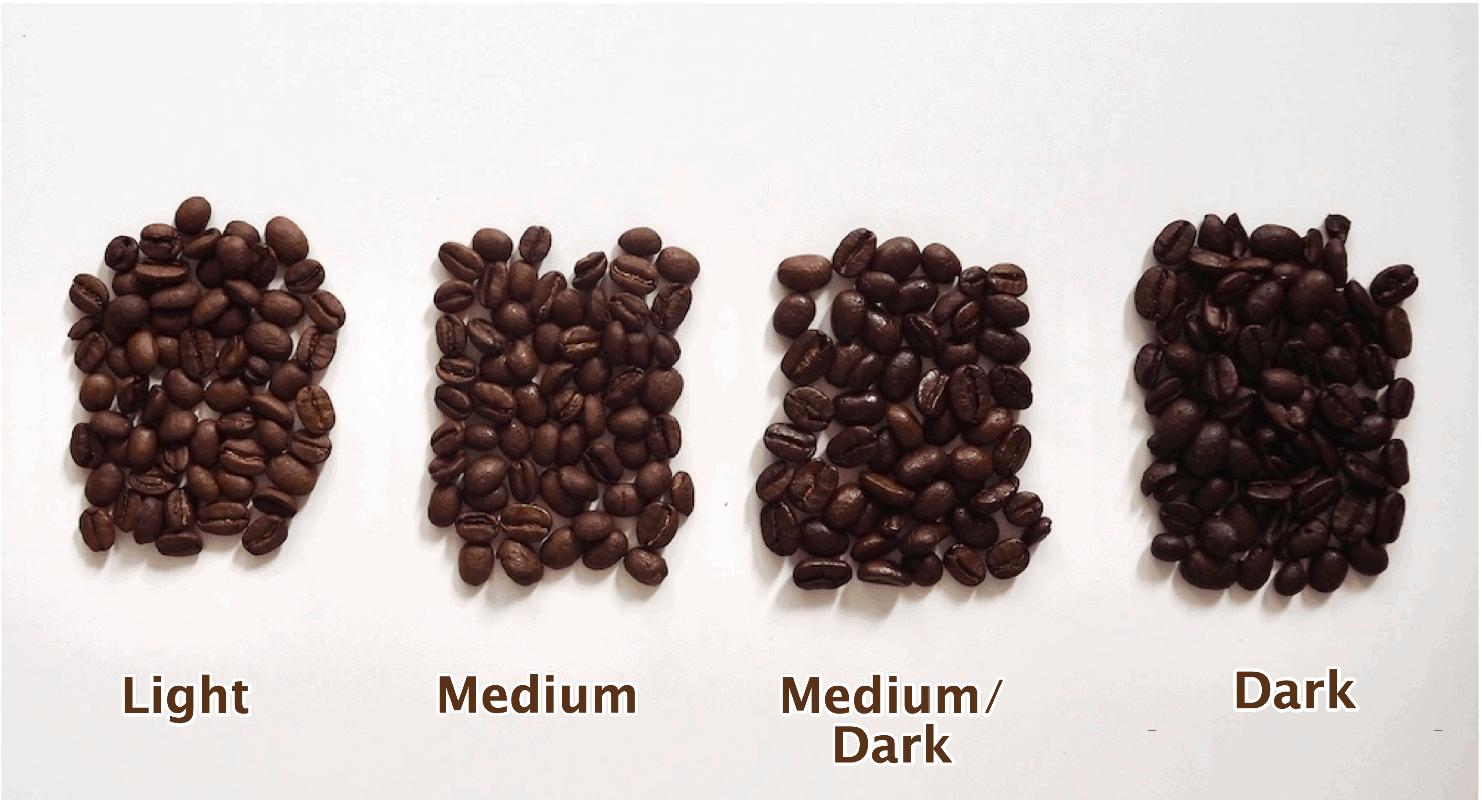
Roast Profile
- Light roast: brighter acidity, more origin character
- Medium roast: balanced and approachable
- Dark roast: bold, smoky, heavier body
Experimenting with different beans allows you to discover what resonates with your taste.
Practical Tips for a Better Cup
Small adjustments can make a noticeable difference.
Use Fresh Coffee
Coffee tastes best within weeks of roasting. Pre-ground coffee loses aroma more quickly.
Measure Your Water
Consistency matters. Even small variations can affect taste.
Mind Your Pour
Avoid dumping water all at once. A gentle, staged pour improves extraction.
Warm Your Cup
Rinsing your cup with hot water before brewing helps maintain temperature.
Stay Curious
Taste intentionally. Notice changes when you adjust grind size, water, or beans.
A Local Perspective: Slowing Down with Coffee
In places like Ubud, coffee is rarely rushed. It is part of a slower rhythm—woven into mornings, conversations, and quiet pauses.
Drip coffee, in its simplicity, reflects this approach. It invites attention. It rewards presence.
Rather than chasing perfection, it encourages awareness—of the process, the aroma, the moment.
A Gentle Connection to Gangga Coffee
At Gangga Coffee, brewing is not only about technique but about experience. Each cup is an invitation to slow down and reconnect—with yourself, with your surroundings, with the story behind the beans.
Whether you are using a drip bag on a busy morning or taking time with a manual pour, the intention remains the same: to create a moment of quiet clarity.
Closing Reflection
Brewing drip coffee is a simple act, but within it lies depth—of flavor, of rhythm, of awareness. The more you understand its elements, the more meaningful each cup becomes.
If you find yourself in Bali, you might continue this exploration in a different setting—one where coffee, place, and pace come together naturally. You’re always welcome to pause and experience it firsthand at Gangga Coffee, where every cup begins with the same intention: to be present.