There are places in Bali where time feels measured differently. The Tegallalang Rice Terraces, just north of Ubud, are one of those places. Not because they are quiet—they are often alive with visitors—but because they reveal a slower rhythm beneath everything. The terraces are not just landscapes to observe; they are systems to understand, shaped by generations who have worked with water, soil, and patience.
To stand here is to witness something both practical and poetic: a working agricultural space that also feels like a living sculpture.
Understanding Tegallalang Rice Terraces as More Than a View
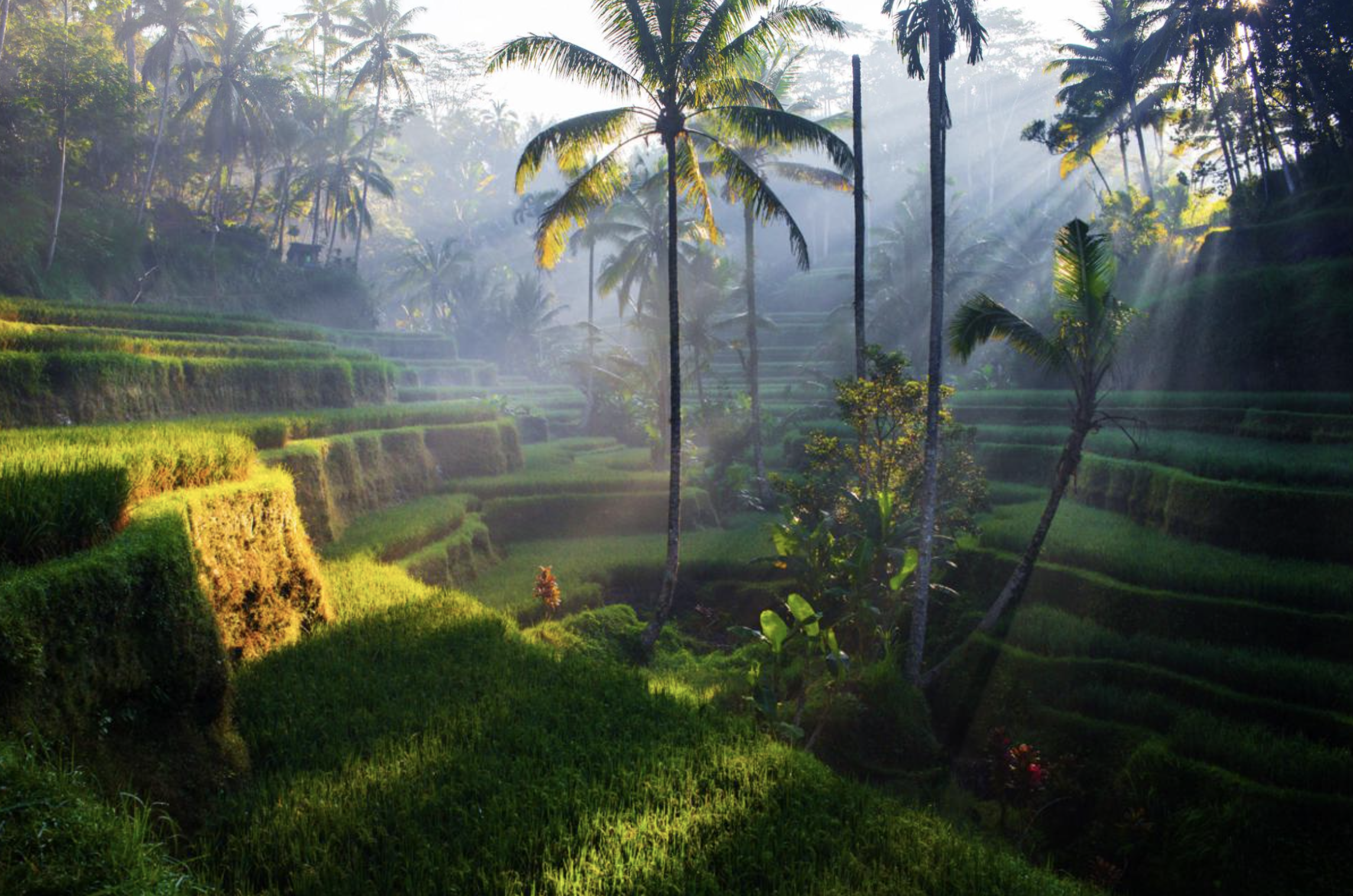
At first glance, the Tegallalang Rice Terraces appear almost too perfect—layers of green folding into each other, framed by palm trees and morning mist. But this is not a natural formation. It is a human-made landscape, carefully engineered over centuries.
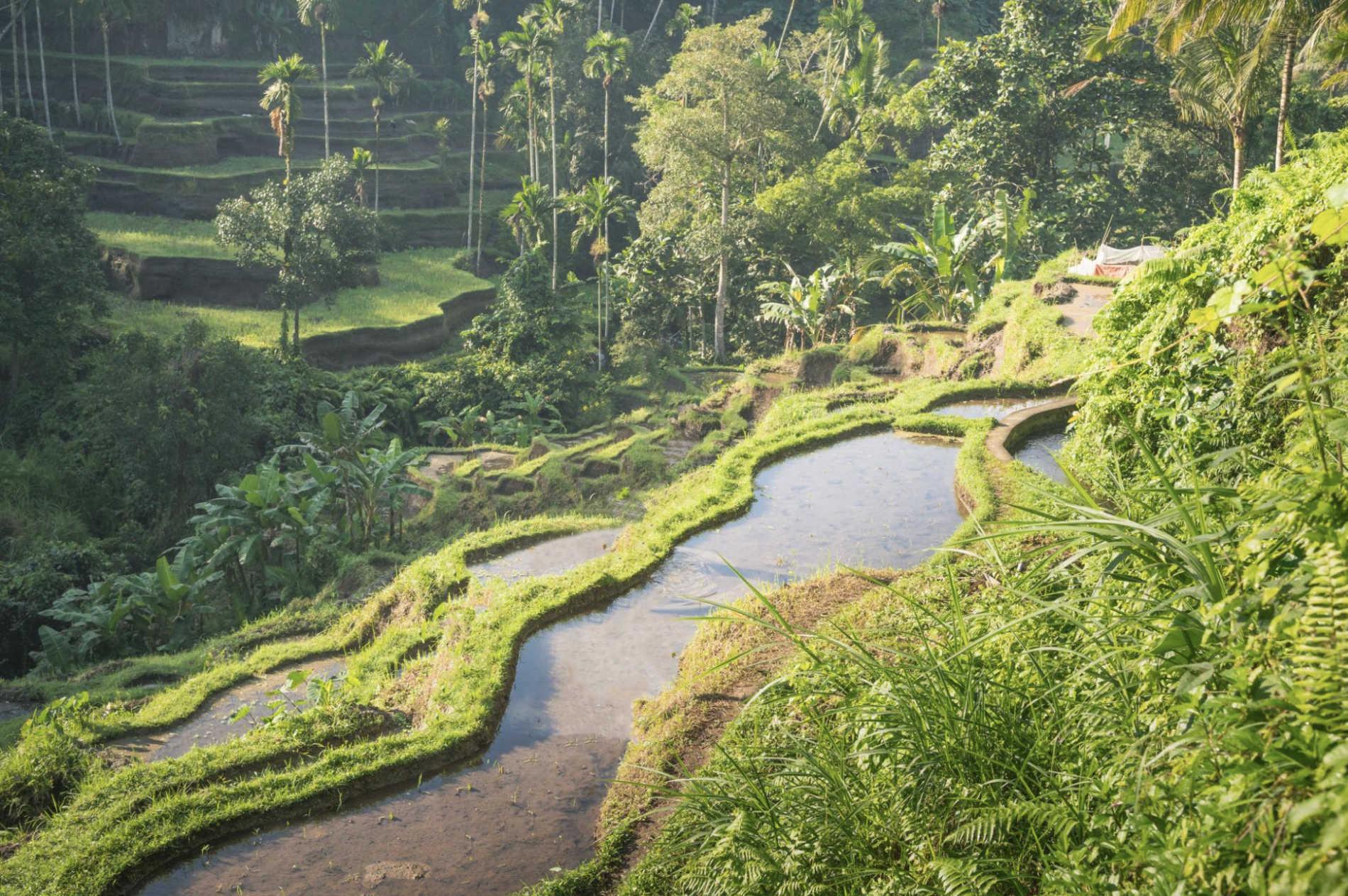
The terraces are part of Bali’s traditional subak irrigation system, a communal method of water management that reflects both technical knowledge and spiritual philosophy. Recognized by UNESCO, the subak system is not just about distributing water—it’s about maintaining harmony between people, nature, and belief.
Each level of the terrace is connected. Water flows from the top down, guided by channels that farmers maintain together. No single field exists alone; everything is interdependent.
Why Tegallalang Rice Terraces Continue to Shape Bali’s Identity
In many ways, the Tegallalang Rice Terraces are a visual shorthand for Bali itself. They represent the island’s agricultural roots, long before tourism became its dominant industry.
Rice is not just a crop here—it is central to daily life and ritual. Offerings often include grains of rice, and ceremonies mark different stages of planting and harvesting. The terraces, then, are not separate from culture; they are embedded within it.
Even as Bali evolves, places like Tegallalang remind visitors that the island’s identity is still deeply tied to land and tradition. The balance is delicate. Tourism brings attention and income, but it also changes how these spaces are experienced.
Visiting Tegallalang Rice Terraces with Awareness and Intention
Arriving at the Tegallalang Rice Terraces is simple. They are about a 15–20 minute drive from central Ubud. But how you experience them makes all the difference.
Early morning is often the most reflective time. Before the crowds arrive, the terraces feel expansive and quiet. The light is softer, and the details—the movement of water, the texture of leaves—become more noticeable.
There are pathways that allow you to walk down into the terraces. Some require small donations to local farmers, which directly support the community maintaining the land.
You may also notice swings and photo platforms scattered throughout. While they offer a different perspective, it’s worth pausing to consider how you want to engage with the space. Not everything needs to be captured to be meaningful.
Experiencing Tegallalang Rice Terraces Through a Slower Lens
It’s easy to treat Tegallalang as a quick stop—a place to take photos and move on. But spending more time here changes the experience.
Sit for a while. Watch how the wind moves across the rice fields. Notice how the terraces shift color depending on the season—from bright green to golden hues.
Nearby, you’ll find small cafés and local warungs overlooking the terraces. This is where the experience deepens. A cup of coffee, taken slowly, becomes a way to stay present rather than pass through.
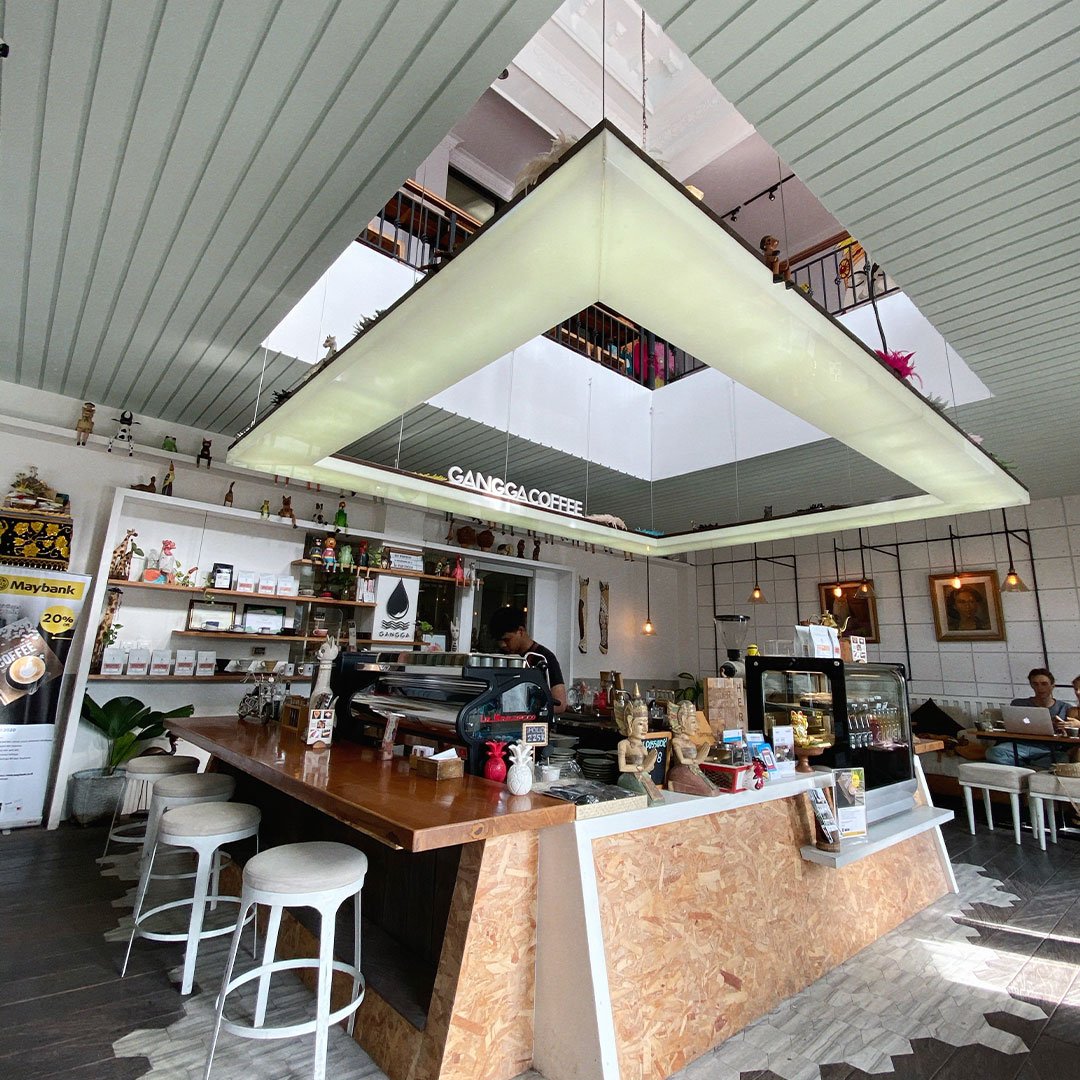
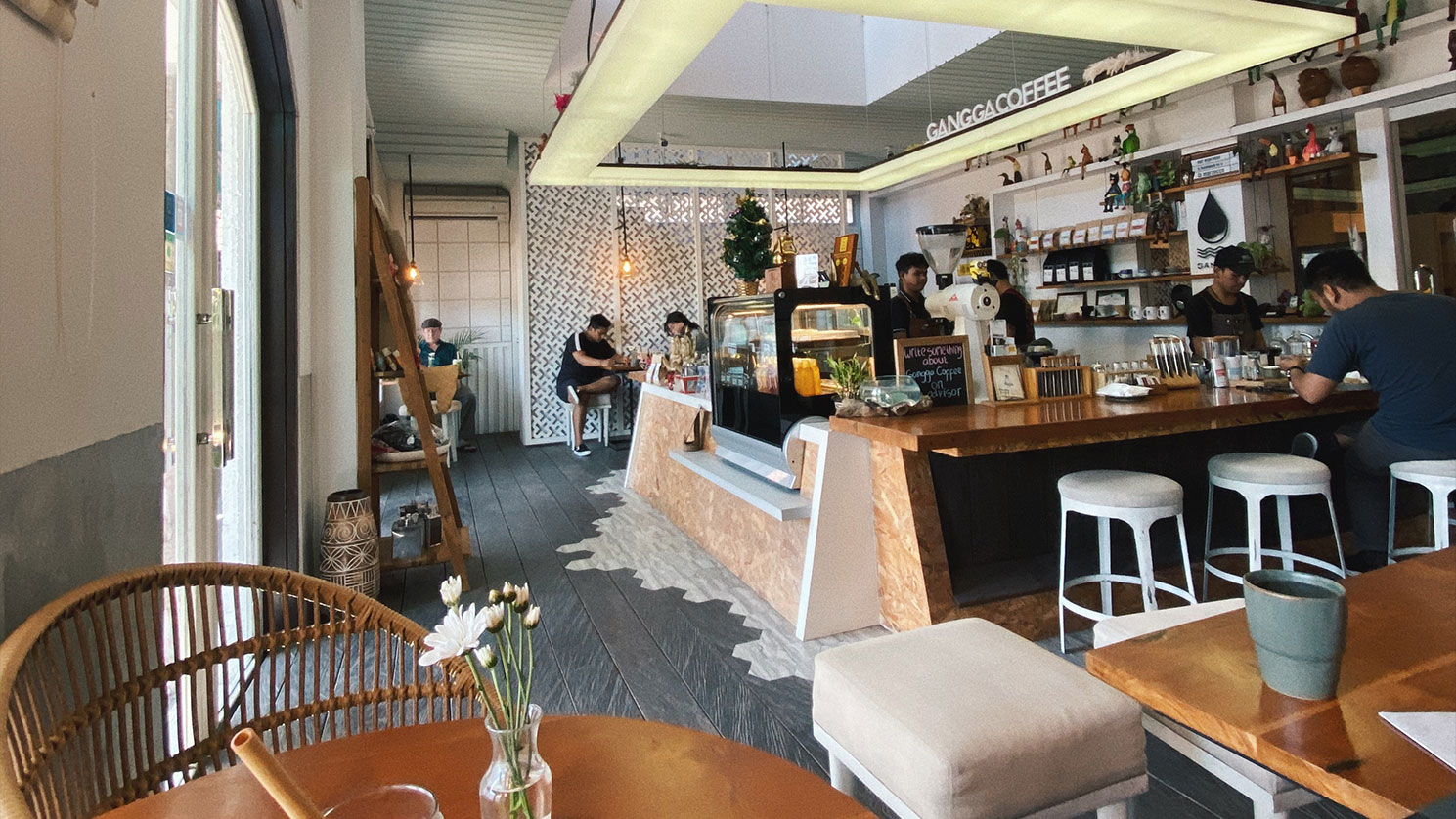
At places like Gangga Coffee, the connection between land and cup becomes clearer. Coffee, like rice, is shaped by environment, process, and care. When you sit with it, overlooking the terraces, it becomes less about consumption and more about awareness.
You begin to see Bali not just as a destination, but as a rhythm.
Tegallalang Rice Terraces and the Balance Between Tourism and Tradition
The popularity of the Tegallalang Rice Terraces has brought both opportunity and challenge. Increased tourism supports local economies, but it also puts pressure on the land and the people who maintain it.
Paths become crowded. Certain areas are reshaped to accommodate visitors. The terraces, while still functional, are also adapting to a new role as a global attraction.
This doesn’t diminish their value—but it does invite a different kind of responsibility from those who visit. Awareness matters. Choosing to engage respectfully, to support local farmers, and to move thoughtfully through the space helps preserve what makes Tegallalang meaningful.
A Personal Reflection on Tegallalang Rice Terraces
There is something quietly humbling about the Tegallalang Rice Terraces. They remind you that beauty is often the result of repetition—small actions carried out over long periods of time.
Planting. Watering. Maintaining. Waiting.
It’s a rhythm that contrasts sharply with the pace many travelers bring with them. And perhaps that’s why the terraces resonate so deeply. They offer not just a view, but a different way of being—one that values patience over speed.
In Bali, landscapes are rarely just landscapes. They are expressions of how people choose to live.
In the end, visiting the Tegallalang Rice Terraces is not about seeing one of Bali’s most photographed places. It’s about noticing what exists beneath the surface—the systems, the people, the quiet continuity of tradition.
If you find yourself drawn to that slower rhythm, you might continue the experience by exploring spaces that hold a similar intention. Not far from here, there are places where coffee, landscape, and reflection come together gently. You can discover more through this Locations, where the pace invites you to stay a little longer and see a little deeper.