Coffee is often spoken about in terms of flavor, origin, or brewing method—but at its foundation lies a simpler distinction: the type of coffee bean itself. When people search for Arabica vs Robusta coffee, they are usually trying to understand why some cups taste smooth and bright, while others feel strong, bitter, or heavy.
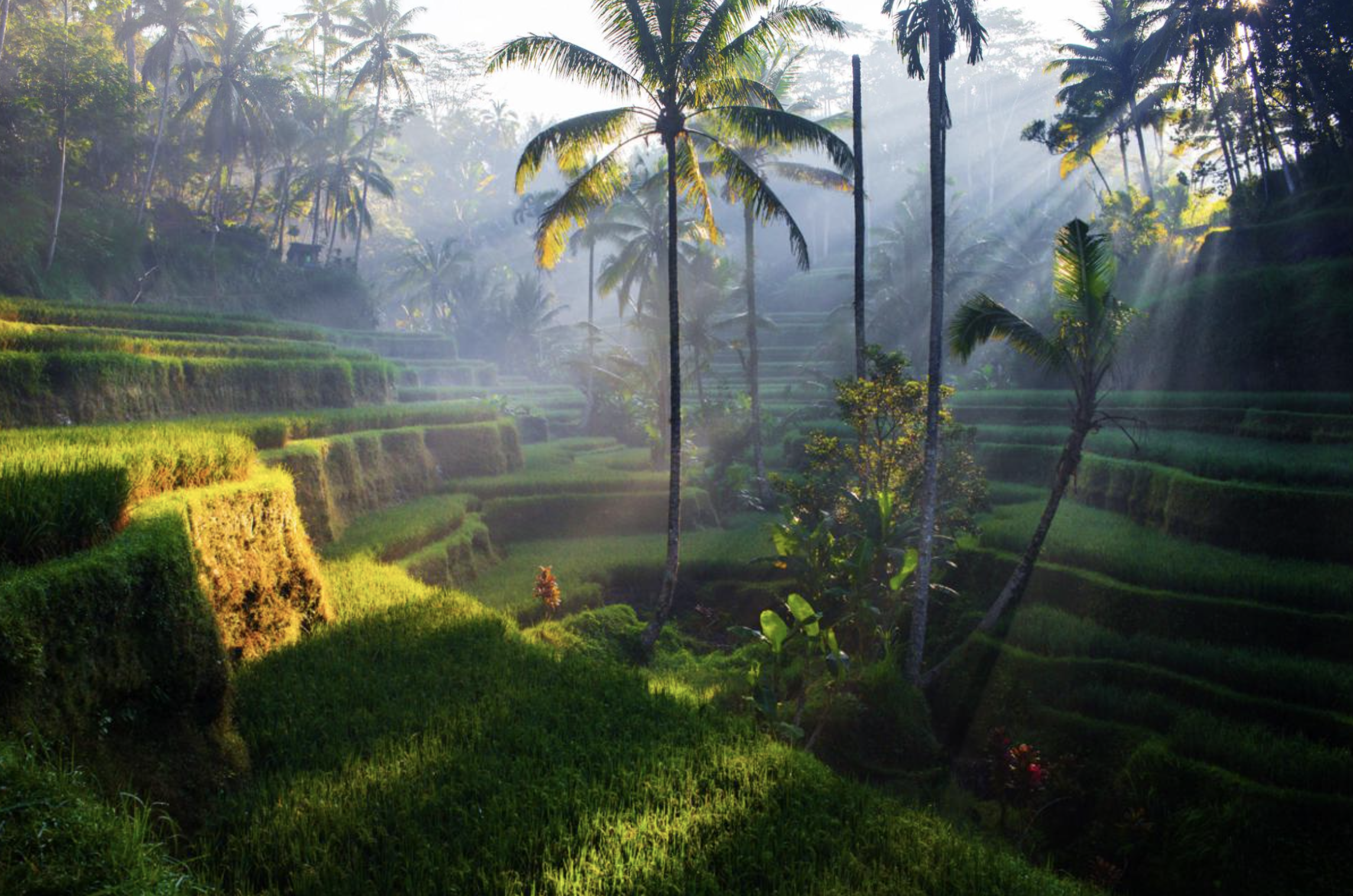
This difference is not just a matter of preference. It is rooted in biology, geography, and the way coffee is cultivated across regions—including places like Bali, where Arabica varieties thrive in highland areas such as Kintamani.
Understanding these two types of coffee opens a deeper appreciation for what ends up in your cup.
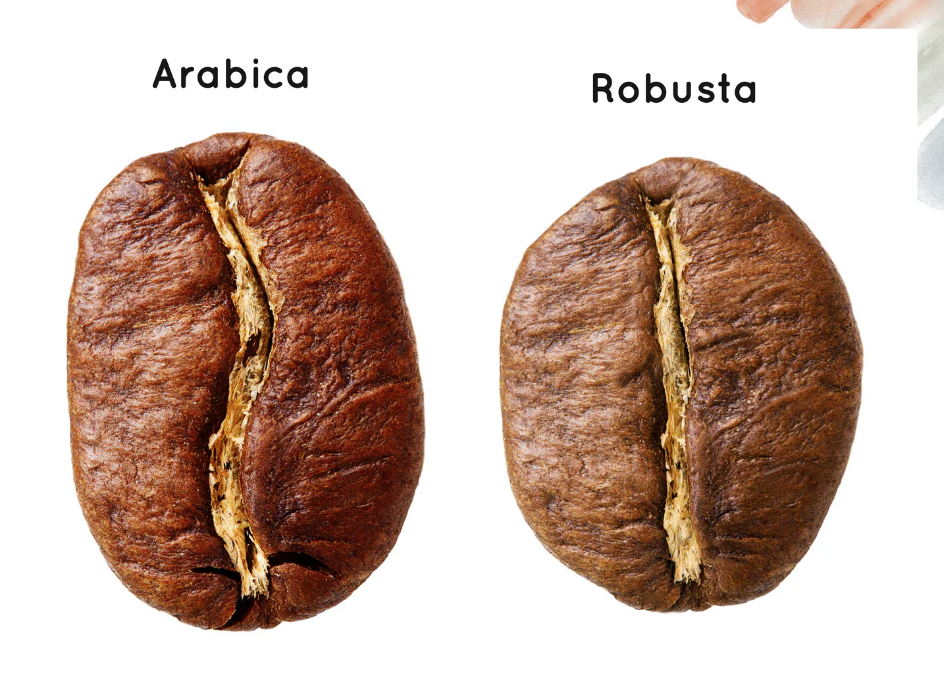
The Two Main Types of Coffee Beans
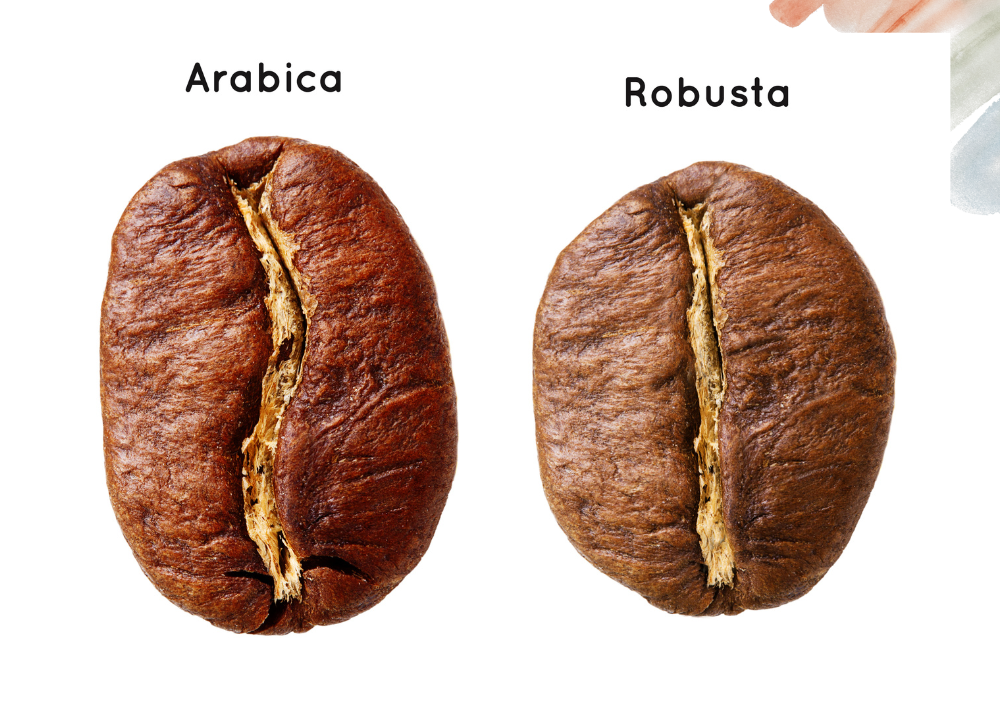

Globally, most coffee comes from two species:
While there are other lesser-known species, these two dominate the coffee industry.
Arabica Coffee
Arabica accounts for roughly 60–70% of global coffee production. It is typically grown at higher altitudes, where cooler temperatures allow the beans to develop more slowly.
This slower growth contributes to:
- More complex flavors
- Higher acidity
- Softer, more refined taste
In regions like Kintamani, Arabica coffee reflects its environment—bright, citrusy, and clean.
Robusta Coffee
Robusta, as the name suggests, is a more resilient plant. It grows at lower altitudes and can withstand harsher climates, pests, and diseases more effectively than Arabica.
It is often associated with:
- Stronger, more bitter taste
- Higher caffeine content
- Heavier body
Robusta is commonly used in instant coffee and espresso blends where intensity and crema are desired.
Flavor Differences: Subtle vs Strong
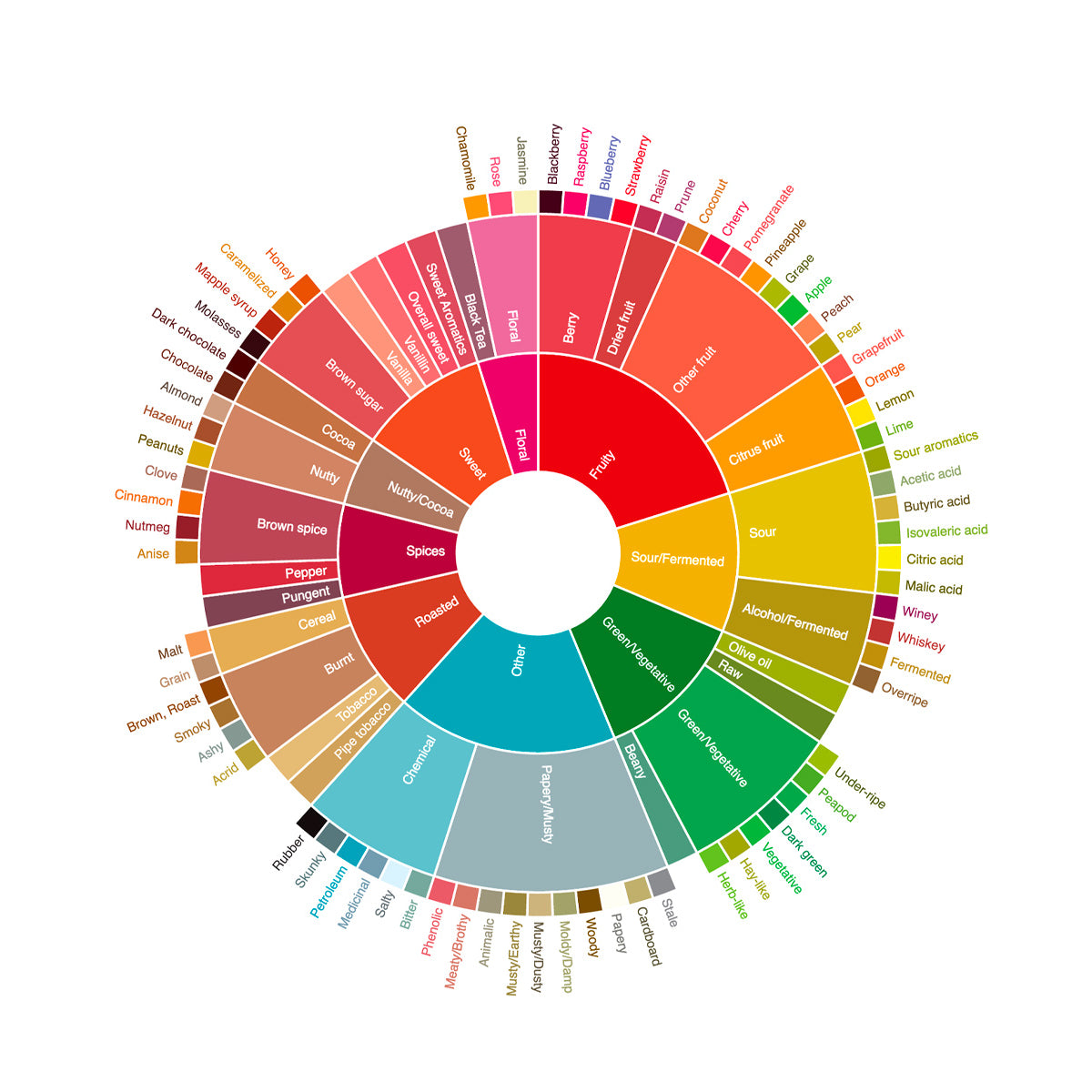
One of the most noticeable differences between Arabica and Robusta lies in how they taste.
Arabica Flavor Profile
- Bright acidity
- Fruity or floral notes
- Smooth and balanced
- Often includes hints of citrus, berries, or chocolate
Robusta Flavor Profile
- Bold and intense
- Earthy or woody notes
- Bitter finish
- Less acidity
This is why specialty coffee shops tend to favor Arabica—it offers more nuance and complexity. Meanwhile, Robusta provides strength and consistency.
Caffeine Content and Its Impact
Robusta beans contain nearly twice as much caffeine as Arabica.
This has two important effects:
- Taste:
Caffeine contributes to bitterness, which is why Robusta often tastes harsher. - Plant Resilience:
Higher caffeine acts as a natural defense against pests, making Robusta easier to cultivate.
For drinkers, this means:
- Arabica → smoother, less intense
- Robusta → stronger, more stimulating
Growing Conditions and Geography

Where coffee grows plays a significant role in how it tastes.
Arabica Growing Conditions
- Altitude: 900–2,000 meters
- Climate: Cooler, stable temperatures
- Requires careful cultivation
This is why regions like Kintamani in Bali are ideal for Arabica production.
Robusta Growing Conditions
- Altitude: 0–800 meters
- Climate: Warmer, more humid
- Easier to farm and higher yield
Robusta is widely grown in parts of Southeast Asia, including lower elevations of Indonesia.
Practical Guide: Which One Should You Choose?
Choosing between Arabica and Robusta depends less on “which is better” and more on what you’re looking for in a cup.
Choose Arabica if you prefer:
- Smooth, layered flavors
- Light to medium body
- A more refined coffee experience
Choose Robusta if you prefer:
- Strong, bold taste
- Higher caffeine kick
- Thicker crema in espresso
For many coffee drinkers, blends of both are also common—balancing flavor and strength.
Local Perspective: Coffee in Bali
In Bali, the distinction between Arabica and Robusta is not just technical—it is geographical and cultural.
Highland areas like Kintamani focus on Arabica, where altitude and volcanic soil shape a brighter, cleaner cup. In contrast, Robusta is more common in lower regions, where farming conditions are different and production is often more volume-oriented.
This diversity reflects Bali itself: layered, varied, and deeply connected to its landscape.
Coffee here is not only about taste, but about place.
A Slower Understanding of Coffee
Learning the difference between Arabica and Robusta is not about choosing sides. It is about noticing how small variations—in altitude, plant type, or processing—create entirely different experiences.
In Bali, especially around Ubud, this understanding is often approached with a certain quietness. Coffee is not rushed. It is brewed, observed, and shared.
If you find yourself curious to explore this difference more directly, there are spaces where coffee is treated with that kind of attention. You can explore one of them here:
https://ganggacoffee.com/location
Not as a comparison between Arabica and Robusta, but as a place to experience how each cup carries its own story.